Provide actionable tips for traveling with pets, from short car rides to longer vacations, focusing on safety and comfort.
Traveling with your pet can transform a simple trip into a shared adventure, but it also introduces a layer of complexity that can catch even experienced owners off guard. A restless dog in the backseat or a cat howling from a carrier can turn a dream road trip into a stressful ordeal.
The key isn’t luck,it’s preparation. Knowing how to travel with pets safely and comfortably makes all the difference between a chaotic journey and one filled with tail wags and curious noses pressed against the window.
This guide strips away the guesswork and gives you actionable steps to keep your pet calm, secure, and happy from the moment you pull out of the driveway to the final check-in at a pet-friendly hotel. You’ll discover how a quick vet visit can prevent a mid-trip emergency, why the right car restraint is a non-negotiable safety feature, and what to pack so you’re never caught without a cleanup solution or a familiar comfort item.
Whether you’re planning a short weekend getaway or a cross-country expedition, these tips put your pet’s wellbeing at the center of the journey.
Pre-Trip Vet Visit and Documents
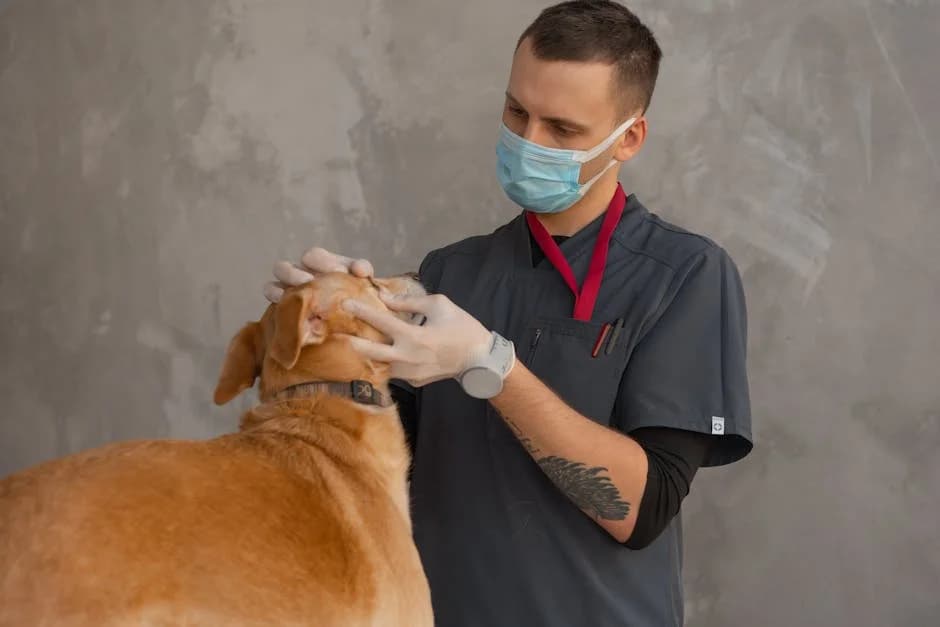
A thorough vet check is the foundation of safe travel with pets. Booking this appointment at least three weeks before departure gives you time to address any health issues and gather the paperwork you’ll need.
During the exam, the vet will confirm your pet is fit for the journey and up to date on core vaccinations. They can also discuss motion sickness remedies or anxiety management if your animal tends to stress in new environments.
 Save
Save
Scheduling the Pre-Trip Vet Exam
Don’t treat this like a routine annual visit. Let the clinic know you’re planning travel with pets so they can prioritize travel-specific checks.
The vet will listen to heart and lungs, palpate the abdomen, and assess joint health if your pet is older. This is also the moment to refill any daily medications and get a printed prescription in case you need a refill on the road.
A quick everyday health tip like checking paw pads for cracks becomes even more important when your dog will walk on unfamiliar surfaces.
Microchip scanning is non-negotiable. Even if your pet was chipped years ago, the vet should confirm the chip still reads correctly and that your contact information in the registry is current.
Many owners discover too late that the phone number linked to the chip belongs to a previous address. A functional microchip with up-to-date data is your strongest safety net if you and your pet get separated during travel.
Essential Travel Documents for Your Pet
A Certificate of Veterinary Inspection, often called a health certificate, is the document most hotels, border crossings, and airlines will request. This certificate states your pet is free of infectious disease and lists all current vaccinations.
Issued within 10 days of travel, it serves as official proof that your animal meets the destination’s entry requirements. Some states and countries require specific forms, so ask your vet to verify the correct version for your route.
Vaccination records are equally critical. Keep a printed copy of the rabies certificate and any other core vaccine documentation in your glove compartment, not buried in luggage.
Digital photos on your phone work as a backup, but many officials want to see the original signed document. If you’re crossing international borders, research whether a rabies titer test is required months in advance, because those results take time to process.
A recent photo of your pet, printed and stored with the documents, can speed up identification if needed. Write your name and phone number on the back.
These small preparations transform a stack of papers into a practical toolkit that keeps your travel with pets smooth and compliant.
H2: Car Safety: Harnesses, Crates, and Breaks
Choosing a Crash-Tested Harness or Crate
Letting your dog roam free in the car might seem harmless on short trips, but even a sudden stop at 30 mph can turn an unrestrained pet into a dangerous projectile. A properly secured pet not only stays safer during an accident but also prevents driver distraction, which is a leading cause of crashes.
For most dogs, a crash-tested harness that attaches to the seat belt system offers the best balance of comfort and protection. These harnesses distribute force across the chest and shoulders, much like a human seat belt, and they keep your dog from being thrown forward.
Pro Tip
Not all harnesses are crash-tested. Look for models that meet the same dynamic testing standards as child car seats, often certified by the Center for Pet Safety. A harness that merely clips to a seat belt without passing crash tests offers little protection in a real collision.
Crates, on the other hand, provide a den-like enclosure that many dogs find calming, and they excel at containing messes and preventing escape. A hard-sided crate strapped down in the cargo area or back seat can be the safest option for larger breeds or anxious travelers.
Whichever you choose, the key is fit: a harness should be snug enough that you can only slip two fingers under the straps, and a crate should allow your dog to stand, turn around, and lie down comfortably. Never use a crate that is too large, as it can slide or tip during a sharp turn.
 Save
Save
Getting your pet accustomed to the restraint before a long trip makes a world of difference. Start with short, positive sessions in the driveway, then graduate to quick errands.
Many dogs initially resist a harness, but pairing it with high-value treats turns it into a predictor of good things. For crate training, feeding meals inside with the door open builds a positive association that pays off on travel day.
Planning Rest Stops to Keep Everyone Comfortable
Even with the best restraint system, no pet should be cooped up for hours without a break. A good rule of thumb is to stop every two to three hours for a brief walk, water, and a potty break.
This rhythm mimics a dog’s natural rest-activity cycle and helps prevent restlessness that can lead to whining or destructive chewing. On longer drives, I always map out pet-friendly rest areas in advance, because not every highway stop has a safe, grassy spot away from traffic.
Temperature inside a parked car can spike to dangerous levels within minutes, so never leave your pet alone during a stop. When you do pause, use the opportunity to check that your dog’s harness or crate hasn’t shifted and that water is still available.
For more advice on handling weather extremes while traveling, our seasonal pet care tips cover everything from summer heat to winter chill. A quick stretch and a few sniffs of new surroundings can reset your dog’s mood and make the next leg of the journey much smoother.
Packing a Pet Travel Kit
Must-Have Items for Your Pet’s Travel Bag
A dedicated pet travel kit turns a potentially stressful trip into a smooth, enjoyable ride. When you travel with pets, the difference between chaos and calm often comes down to having the right supplies within arm’s reach.
Start with the absolute basics: a day’s worth of your pet’s regular food, a sealed water bottle, and a collapsible bowl that takes up almost no space. A spare leash and a roll of waste bags belong in the kit too, because rest stops rarely offer extras.
 Save
Save
Beyond the essentials, comfort items make the journey feel less like a disruption. A familiar-smelling blanket or a well-loved chew toy can anchor your pet in a moving environment.
Resist the urge to pack every toy from home; too many choices can overstimulate an already alert animal. Instead, pick one comfort object that carries the scent of home and tuck it into an outer pocket for quick access.
Pro Tip
A familiar-smelling blanket from home does more to soothe an anxious pet than any new toy. Pack it in an easily accessible spot so you can offer it during rest stops or at the hotel.
Smart Packing for Stress-Free Access
Organization inside the bag matters as much as what you put in it. Use small packing cubes or zip-top bags to group items by function: feeding, cleanup, first aid.
During a pet-friendly road trip, you don’t want to dig through a jumbled bag while your dog waits impatiently at a highway rest area. Keep waste bags and a handful of treats in a side pocket where you can grab them without unzipping the main compartment.
Before every trip, do a quick inventory to replace anything that ran low on the last outing. A missing roll of poop bags or an empty water bottle can turn a simple stop into a frustrating scramble.
With your kit stocked and organized, you’re ready to focus on the next piece of the puzzle: helping your pet feel truly at home inside the car.
H2: Acclimating Your Pet to the Car
Acclimating your pet to car travel isn’t something you can rush. Many pets associate the car with a single stressful event like a vet visit, so you need to rebuild that association from scratch.
Start by simply sitting in the parked car with your pet, engine off, and offer high-value treats. This low-pressure introduction is the foundation of stress-free travel with pets.
 Save
Save
Starting with Short, Positive Sessions
Once your pet is comfortable sitting in a stationary car, begin taking very short drives. A trip around the block that ends with a fun play session or a walk teaches your pet that car rides lead to good things.
Gradually extend the duration over several weeks, always watching for signs of anxiety. Never push past your pet’s comfort zone, or you’ll undo all your progress.
Pro Tip
Let your pet explore the car at their own pace. Forcing them inside can create a lasting fear that’s much harder to fix than a little extra patience upfront.
Creating a Comfortable Car Environment
The physical environment inside the car matters just as much as the training. Keep the temperature cool and steady, and bring along your pet’s favorite blanket or bed to provide a familiar scent.
A well-ventilated crate or a crash-tested harness keeps your pet secure and can actually reduce motion sickness. For particularly anxious pet travelers, consider a calming supplement recommended by your vet, but always test it at home first before a real trip.
Once your pet is happy in the car, you’re ready to think about where you’ll both sleep. The next step in your travel with pets journey is finding accommodations that welcome your furry companion just as warmly as you do.
H2: Finding Pet-Friendly Accommodations
Not every hotel that claims to welcome animals actually delivers a comfortable stay for you and your pet. A true pet-friendly accommodation goes beyond simply allowing dogs or cats.
It provides easy outdoor access, minimal extra fees, and a room layout that works for a travel with pets scenario. The last thing you want after a long drive is a cramped room with no green space in sight.
 Save
Save
Search Smarter with Pet-Specific Filters
Most major booking platforms now include a “pet-friendly” filter, but you can dig deeper. Look for properties that specify pet amenities like dog beds, bowls, or a welcome treat.
Read the fine print on weight limits and breed restrictions before you get attached to a listing. Many travelers overlook the review section, yet that’s where you’ll spot red flags.
A pattern of comments about noisy hallways or a lack of nearby grass tells you more than the hotel’s own description.
Vet the Pet Policy Before You Book
A quick phone call to the front desk can save you from a miserable check-in experience. Ask about the exact pet fee, whether it’s per night or per stay, and if any portion is refundable.
Confirm that your specific pet type and size are allowed, because online listings sometimes simplify the rules. While you’re on the phone, request a ground-floor room near an exit door.
This makes late-night bathroom breaks far less stressful for both of you.
Pro Tip
Always call the property directly to confirm their current pet policy. Websites can be outdated, and a quick conversation often reveals unadvertised perks like a dedicated pet relief area or a waived fee for well-behaved animals.
Once you’ve narrowed down your options, pull up a satellite map and look for adjacent parks or quiet streets. A hotel that advertises as pet-friendly but sits on a busy highway with no sidewalk offers little value.
Pair that visual check with the notes from your call, and you’ll know exactly what to expect. Tomorrow, we’ll build on this by establishing a daily routine that keeps your pet calm and happy on the road.
H2: Daily Travel Routines to Reduce Stress
A consistent daily routine is the single most effective tool for keeping your pet calm during travel. When you travel with pets, their world suddenly becomes unpredictable, new sights, sounds, and schedules can trigger anxiety.
But a simple, repeatable rhythm acts like an anchor, signaling that everything is under control. Even on the road, sticking to familiar feeding times and walk intervals can dramatically lower stress levels.
The goal isn’t to mimic home exactly, but to create a portable version of the predictability your pet relies on.
 Save
Save
Morning Routine: Starting the Day Calmly
When you travel with pets, a calm morning is the foundation for the entire day. Begin each travel day with a quiet walk before loading up the car or heading out.
A 15-minute sniffari, letting your pet explore at their own pace, works better than a rushed potty break for burning off nervous energy. Feed breakfast at the same time you would at home, and avoid feeding right before a long drive to prevent motion sickness.
If your pet seems restless, a few minutes of gentle play or a puzzle toy can help them settle into the day’s rhythm.
Pro Tip
The secret to a stress-free travel day is not cramming in more activities. It’s maintaining the same feeding and walking times your pet expects at home. A predictable rhythm, not a packed itinerary, is what truly puts them at ease.
Evening Wind-Down for Restful Sleep
After a day of new experiences, your pet needs a clear signal that it’s time to rest. A final evening walk, even a short one, helps them process the day’s events and release any remaining tension.
Bring along a familiar blanket or bed that smells like home, this simple comfort item can make an unfamiliar hotel room feel safe. Stick to the same bedtime routine you use at home, whether that’s a treat, a cuddle, or quiet time in their crate.
Consistency here is key to preventing nighttime restlessness and ensuring everyone sleeps well.
Traveling with your pet doesn’t have to be stressful if you build a day that mirrors the stability they know. A few predictable touchpoints, morning walk, regular meals, and a calm evening, are often all it takes to turn a chaotic trip into a smooth adventure.
As you plan your next journey, remember that the simplest routines are the ones your pet will appreciate most.
FAQ
What documents do I need to travel with pets across state lines?
Most states require a current Certificate of Veterinary Inspection (CVI) issued within 10 days of travel. You’ll also want proof of rabies vaccination and a copy of your pet’s medical records. Some states have specific parasite testing rules, so check the destination’s department of agriculture website before you leave.
How can I keep my dog calm during a long car ride?
Start by taking your dog for a long walk or play session before you hit the road. Use a well-ventilated crate or a crash-tested harness to create a secure, den-like space. Calming aids like a ThunderShirt, pheromone sprays, or vet-approved supplements can also take the edge off without sedation.
Is it safe to leave my pet alone in a hotel room?
It depends on the hotel’s policy and your pet’s temperament. Even in pet-friendly hotels, a crated pet is less likely to get into trouble or bolt when housekeeping enters. Always hang the ‘Do Not Disturb’ sign and leave your phone number with the front desk, but plan to keep alone time brief.
What should I pack in a pet travel kit?
Beyond food and water, pack a portable bowl, waste bags, a basic first-aid kit, and a recent photo of your pet in case they get lost. Include a familiar blanket or toy to provide comfort, plus any medications and a copy of vaccination records. A roll of paper towels and pet-safe wipes are lifesavers for messy moments.
How do I find truly pet-friendly hotels, not just ones that ‘allow’ pets?
Look beyond the pet-friendly filter and read recent reviews from other pet owners. Call the hotel directly to ask about pet fees, weight limits, and whether pets can be left unattended. Websites like BringFido often list details like nearby green spaces and welcome amenities that make a stay genuinely comfortable for you and your pet.
How can I travel with pets on a long road trip without causing them stress?
Break the trip into shorter driving days and plan stops every two to three hours for exercise and bathroom breaks. Stick to your pet’s normal feeding and walking schedule as much as possible to maintain routine. A familiar blanket and a favorite chew toy inside their travel crate can turn the backseat into a mobile safe zone, reducing anxiety mile after mile.
Share this article


Staff Writer
adminRelated Articles


5 Colorful Towns in Portugal You Must Visit
Discover 5 colorful towns in Portugal hidden from tourist crowds. From Monsaraz to Piódão, explore vibrant villages with authentic local charm. Plan your trip now!

7 safest caribbean islands
Discover the 7 safest Caribbean islands with crime data, hurricane risk, and traveler-specific tips. Plan your secure vacation with confidence today!

Italy travel guide for families with kids
Traveling to Italy with children? Get expert tips on kid-approved attractions, stroller-friendly routes, and family hotels. Make unforgettable memories!

Italy Travel Guide
Plan your dream Italy trip with our ultimate guide. Insider tips, budget breakdowns, cultural dos and donts, month-by-month advice. Avoid tourist traps! Start planning.