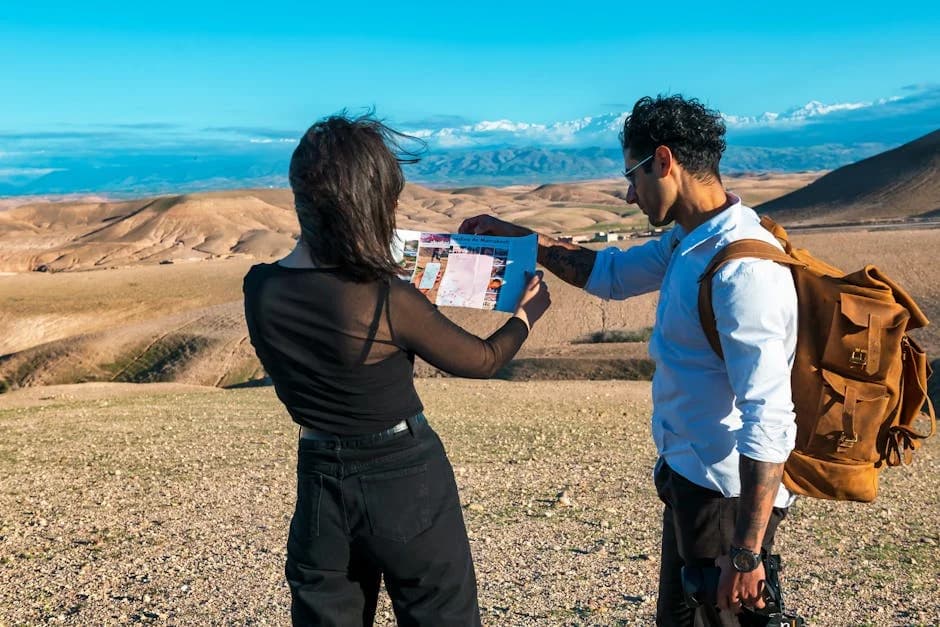
Comprehensive Morocco travel guide covering all traveler types (solo, female, family, luxury, budget, digital nomad, LGBTQ+, disabled) with structured sections and practical resources
Planning a trip to Morocco can feel overwhelming, especially when you’re looking for a travel guide that truly fits your style. Whether you’re a solo female adventurer, a family with kids, a digital nomad, or a luxury seeker, this Travel Guide Morocco is built for you.
Most resources treat every traveler the same, but Morocco’s magic unfolds differently depending on who you are and how you explore.
That’s where this guide comes in. Instead of generic advice, you’ll find curated sections covering safety, budgeting, cultural etiquette, packing, and even offbeat hidden gems.
From the winding medinas of Fez to the silence of the Sahara, we’ve structured everything so you can pick the path that matches your pace and personality. No matter your travel style, you’ll walk away with practical tips, honest insights, and the confidence to experience Morocco on your own terms.
Safety and Scams in Morocco
Morocco is generally a safe country for travelers, but like any popular destination, it has its share of opportunistic scams. A well-prepared travel guide Morocco can be your best defense against these annoyances.
Petty crime is rare, yet the constant attention from unofficial guides and persistent vendors can feel overwhelming. Knowing what to expect before you land in Marrakech or Fez will save you both money and stress.
 Save
SaveCommon scams target tourists in busy medinas, where a friendly local might offer to show you the way to a hidden viewpoint or a special market. The trick most guidebooks miss is that these detours almost always end at a relative’s shop with high-pressure sales.
Another classic is the taxi driver who claims the meter is broken and charges triple the fair rate. For solo travelers, especially women, a firm but polite ‘la, shukran’ (no, thank you) works better than engaging in lengthy explanations.
Our detailed Marrakech travel guide breaks down specific scams in the Red City, but the same principles apply across the country.
After testing dozens of strategies, what actually works is a combination of awareness and confident body language. Walk with purpose, keep valuables out of sight, and agree on taxi fares before getting in.
The good news is that violent crime against tourists is extremely low. Most Moroccans are genuinely hospitable and will go out of their way to help you without expecting anything in return.
Understanding these common tricks will let you explore with confidence, whether you’re navigating the souks or planning a trek into the Atlas Mountains.
Best Time to Visit Morocco (by Region)
Timing your Morocco trip comes down to one thing: geography. The country packs coastal breezes, snowy peaks, and Saharan heat into a compact space, so the best months shift dramatically depending on where you’re headed.
A solid Travel Guide Morocco strategy starts with matching your itinerary to regional weather patterns rather than relying on a single national forecast.
 Save
SaveCoastal cities like Essaouira and Tangier shine from April to June and again in September through October. You’ll dodge the summer fog and winter winds while enjoying mild days perfect for wandering medinas.
Inland imperial cities such as Fez travel guide readers know that spring and fall are ideal here too, as summer heat can feel oppressive inside the old city walls. The Atlas Mountains flip the script entirely: trekking season runs from late April to early October, with July and August offering the most reliable high-altitude conditions.
The desert demands its own calendar. Sahara excursions work best from October to early May, when daytime temperatures stay bearable and nights are cool but not freezing.
What most travelers overlook is that early October still carries summer’s warmth without the peak-season crowds, a sweet spot for a Travel Guide Morocco itinerary that balances comfort and solitude. Families often prefer April when the landscape blooms, while digital nomads gravitate toward the mild winter months in coastal hubs.
Whatever your travel style, aligning your dates with regional rhythms transforms a good trip into an unforgettable one.
Top Destinations: Cities, Mountains, and Desert
Morocco’s cities pulse with centuries of history and sensory overload. Marrakech draws you into its labyrinthine medina, where snake charmers and spice vendors compete for attention in Jemaa el-Fna.
Fez feels like stepping back in time, its tanneries and madrasas unchanged for generations. Coastal Essaouira offers a breezy contrast, with Portuguese ramparts and fresh seafood grilling on the docks.
 Save
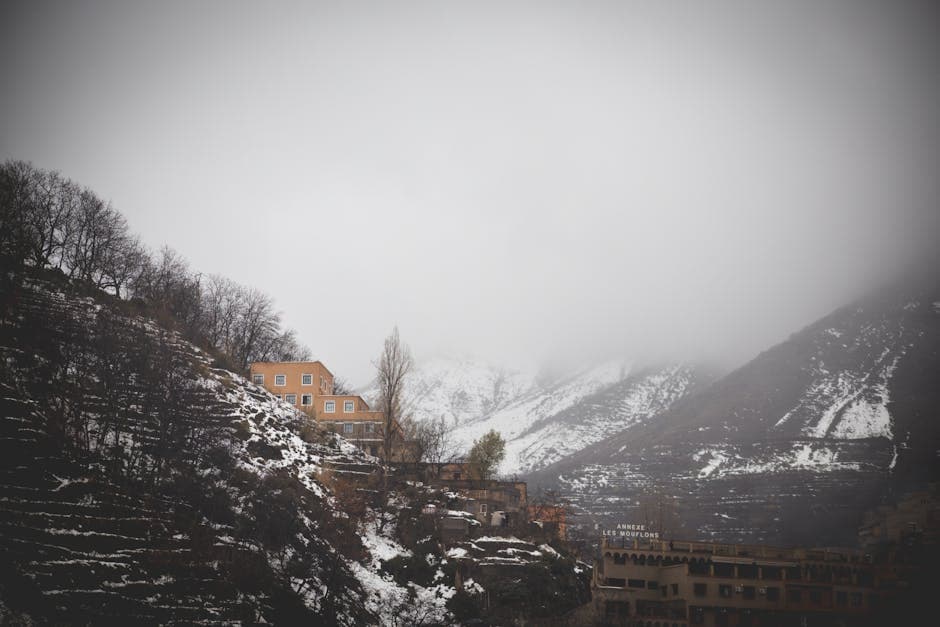
SaveBeyond the urban rush, the Atlas Mountains slice through the country with snow-dusted peaks and Berber villages clinging to terraced slopes. Hiking here reveals a slower rhythm, where mint tea is poured from great heights and mule tracks connect remote valleys.
The High Atlas in spring bursts with wildflowers, and the views from Toubkal, North Africa’s highest summit, stretch into forever.
Then comes the Sahara, an ocean of sand that swallows the horizon. A Sahara desert tour Morocco takes you deep into Erg Chebbi or Erg Chigaga, where camel treks end at camps lit by lanterns and silence.
Sleeping under a blanket of stars, with nothing but dunes in every direction, is the kind of moment that reshapes your entire travel guide Morocco experience. The desert isn’t just a destination, it’s the soul of the country, and the perfect setup for planning your route through it all.
Morocco Itinerary Ideas (3, 5, 7, 10 Days)
A well-planned Travel Guide Morocco itinerary starts with honest time assessment. Three days gives you a deep taste of one city, like Marrakech, where you can lose yourself in the medina, visit the Majorelle Garden, and still squeeze in a sunset camel ride in the Palmeraie.
Five days lets you pair that city with a quick desert dash to Zagora or a breezy coastal detour to Essaouira. The trick is avoiding the classic mistake of piling on destinations just because they look close on a map.
 Save
SaveWith a full week, the Marrakech to Merzouga loop through the High Atlas and back via Ouarzazate becomes the sweet spot. This Travel Guide Morocco recommends that route for a reason: you get mountains, kasbahs, and a night under Sahara stars without feeling like you live on a bus.
For ten days or more, add a northern arc through Chefchaouen and Fes, or simply slow down and soak in each stop. Budget-conscious travelers can stretch dirhams by using local buses and eating at street stalls, which is why our budget travel Morocco guide is essential reading before you lock in your plans.
After testing a dozen routes, the one thing that trips up most travelers is underestimating driving times between cities. What looks like a short hop on a map can easily eat up six hours on winding mountain roads.
Flexibility always beats a rigid schedule in any Moroccan itinerary. Leave breathing room for spontaneous mint tea invitations and unexpected souk discoveries.
Once you settle on your day count, the next step is figuring out how to get around efficiently.
Getting Around Morocco: Trains, Buses, Taxis, and Rental Cars
No Travel Guide Morocco would be complete without a solid grasp of the country’s transportation network. The good news is that Morocco’s train system, operated by ONCF, is surprisingly efficient and comfortable for intercity travel.
Air-conditioned trains connect major hubs like Casablanca, Marrakech, Fes, and Tangier, with first-class compartments offering reserved seating for just a few extra dirhams. I’ve found that booking online a day ahead guarantees a seat on popular routes, especially the scenic Marrakech to Fes line.
 Save
SaveFor destinations off the rail lines, buses pick up the slack. CTM and Supratours are the two main reliable companies, with modern coaches and luggage compartments.
Taxis fill the gaps within cities: petite taxis are metered and ideal for short hops, while grand taxis operate on fixed routes or can be hired for longer journeys. If you prefer a more relaxed pace, a luxury Morocco travel experience often includes a private driver, which eliminates the stress of navigating unfamiliar roads and haggling over fares.
What most visitors miss is the value of hiring a private driver for day trips to the Atlas Mountains or desert kasbahs. Rental cars offer freedom, but driving in medinas is chaotic and signage can be sparse.
Always confirm the fare before getting into a grand taxi, because drivers may quote inflated prices to tourists. Use this Travel Guide Morocco section to navigate your journey confidently, then settle into the perfect place to stay.
Where to Stay: Riads, Hotels, Hostels, and Desert Camps
Choosing where to stay in Morocco shapes your entire trip, and any thorough travel guide Morocco will tell you that accommodation here is an experience, not just a place to sleep. Riads,traditional houses built around a central courtyard,are the heart of Moroccan hospitality, offering intricate tilework, trickling fountains, and a quiet escape from the medina chaos.
Hotels range from sleek international chains to boutique hideaways, while hostels cater to backpackers with dorm beds and rooftop hangouts. And then there are the desert camps, where you’ll sleep under a blanket of stars after a day of camel trekking.
 Save
SaveRiads deliver an intimate, design-forward stay that hotels often can’t match, but you’ll trade modern amenities like elevators or soundproofing for that authenticity. Hostels in cities like Marrakech and Essaouira are surprisingly stylish, with private rooms available if dorms aren’t your thing.
For solo female travelers, picking a riad with a 24-hour front desk or a well-reviewed hostel can make all the difference. Our solo female travel Morocco guide dives deeper into safety and community connections.
The trick most guidebooks skip is to book your first night or two in advance, then negotiate directly with riad owners for extended stays,you’ll often get a better rate and a warmer welcome.
For the ultimate adventure, a night in a Sahara desert camp is non-negotiable. Luxury camps come with real beds, hot showers, and gourmet dinners, while basic camps keep it rugged with mattresses on the sand and a campfire.
The silence out there is something you’ll carry home long after the trip ends. Once you’ve settled on your base, the next step is discovering what to eat,and trust me, Moroccan cuisine is a journey in itself.
Food and Drink: What to Eat and Where
Moroccan cuisine grabs your senses the moment you arrive. Spices swirl through the air in every medina, and sizzling tagines tempt you from hole-in-the-wall eateries.
The real magic happens when you skip the tourist menus and follow the locals. A steaming bowl of bessara at a morning stall or a flaky pastilla from a neighborhood bakery will teach you more about the country than any monument.
The trick most guidebooks miss is that the best meals are often the simplest ones.
 Save
SaveStreet food markets are where the country’s flavors come alive. Jemaa el-Fna in Marrakech fills with smoke and chatter each evening, offering everything from grilled merguez sausages to snail soup.
Coastal towns like Essaouira serve grilled sardines so fresh they taste like the ocean. If you’re traveling with children, our Morocco travel guide with kids shares more family-friendly dining spots that even picky eaters love.
Don’t miss a slow-cooked lamb tagine with prunes or a fragrant couscous on a Friday, the traditional day for this dish.
No Morocco travel guide would be complete without mentioning mint tea. It’s poured from a height, sweetened generously, and offered at every encounter as a gesture of hospitality.
Fresh orange juice stands cost pennies and are a lifesaver in the heat. Stick to bottled water and avoid ice in rural areas to keep your stomach happy.
Now that you know what to eat, let’s look at cultural etiquette so you can dine with confidence and respect.
Cultural Etiquette and Dress Code
Our Morocco travel guide wouldn’t be complete without a deep dive into cultural etiquette. Dressing appropriately isn’t just about comfort, it’s a sign of respect for a deeply traditional culture.
Morocco is a Muslim country where modesty is valued, and what you wear directly shapes how locals perceive you. In big cities like Marrakech, you’ll see a mix of styles, but stepping into a mosque or a rural village in shorts and a tank top will draw unwanted stares.
The good news? Packing a few versatile, modest pieces makes navigating these situations effortless.
 Save
SaveGreetings matter just as much as your outfit. This Travel Guide Morocco section highlights the do’s and don’ts of daily interactions.
A warm ‘Salam Alaikum’ (peace be upon you) opens doors and smiles everywhere. Always use your right hand for eating, handing over money, or passing items, as the left hand is considered unclean.
When invited into a home, remove your shoes at the door and accept the mint tea that’s almost certainly coming your way. Haggling in the souks is expected, but do it with a smile and never insult a vendor’s starting price.
These small gestures show you’re not just a tourist passing through, you’re a guest who cares.
Dress codes relax slightly in coastal cities like Essaouira, but covering knees and shoulders remains a safe rule for both men and women. Women traveling solo will find that a scarf draped over the head can be handy for entering religious sites and deflecting unwanted attention.
For digital nomads planning an extended stay, our Morocco digital nomad guide dives deeper into navigating daily life with cultural awareness. Mastering these nuances turns a simple trip into a rich, respectful exchange.
Budgeting Your Morocco Trip
Budgeting for Morocco starts with understanding the wide range of costs you’ll encounter. This travel guide Morocco helps you plan whether you’re a backpacker counting dirhams or a luxury seeker.
A budget traveler can get by on $30-40 per day, while a mid-range trip might cost $60-100. The key is knowing where to splurge and where to save.
 Save
SaveAccommodation is one of the biggest variables. A dorm bed in a hostel costs around 80-120 dirhams, while a riad room can range from 300 to over 1,500 dirhams.
Street food like msemen or harira keeps meals under 50 dirhams, but a nice restaurant dinner might set you back 150-300. Trains and buses are affordable, with a cross-country trip rarely exceeding 200 dirhams.
The trick is to book riads directly for better rates.
Guided tours and desert excursions are where costs climb. A standard 3-day Sahara desert tour from Marrakech costs around 900-1,200 dirhams, while a private luxury camp can be triple that.
After testing countless itineraries, I’ve found that mixing self-guided exploration with a few key tours strikes the perfect balance. With a clear daily budget in mind, you can enjoy Morocco without financial stress.
Next up, we’ll cover exactly what to pack to handle Morocco’s diverse climates and cultural norms.
Packing List for Morocco
Packing for Morocco means balancing practicality with cultural respect. This Travel Guide Morocco would be incomplete without noting how drastically climates shift between the breezy Atlantic coast, the snowy High Atlas, and the scorching Sahara.
Layering becomes your best strategy. Lightweight, breathable fabrics like cotton and linen handle the heat, while a packable fleece or puffer jacket saves you when desert nights turn chilly.
Scarves do double duty here, shielding you from sun, dust, and serving as a quick cover-up for entering mosques or conservative areas.
 Save
SaveFootwear can make or break your Morocco trip planning. You’ll walk miles through ancient medina alleyways, often on uneven cobblestones, so leave the flimsy sandals at home.
Sturdy, broken-in walking shoes or trail runners are non-negotiable. For the desert, a pair of lightweight closed-toe shoes keeps sand out and protects your feet from hot surfaces.
Flip-flops earn their keep only inside riads or for shared bathroom trips, not for exploring. The trick most packing lists miss is bringing a second, slightly dressier pair of shoes for evenings out in cities like Marrakech or Fez, where rooftop dinners call for something beyond dusty sneakers.
Modesty matters when you’re traveling in Morocco, especially for women. Loose-fitting pants or maxi skirts, tops that cover shoulders and chest, and a scarf always within reach will help you blend in and feel comfortable.
Men should also avoid shorts in rural areas and opt for lightweight long trousers. Beyond clothing, a few Morocco vacation essentials often get overlooked: a universal sink plug for hand-washing laundry, a microfiber towel for hammams, and a headlamp for navigating dark medina passages or desert camps.
Packing light but smart lets you move easily between trains, taxis, and riads, leaving room for the leather poufs and ceramic tagines you’ll inevitably want to bring home.
Travel Tips for Specific Travelers (Solo, Female, LGBTQ+, Families, Digital Nomads)
Solo travelers and women exploring Morocco will find a country that rewards confidence and cultural awareness. Dressing modestly, especially in medinas and rural areas, instantly signals respect and reduces unwanted attention.
Book a ground-floor riad room if stairs are a concern, and always carry a scarf for impromptu mosque visits or sun protection. After dark, stick to well-lit main streets and use petit taxis rather than walking long distances alone.
 Save
SaveLGBTQ+ travelers need to navigate with discretion, as same-sex relations remain illegal under Moroccan law. Public displays of affection are best avoided entirely, regardless of orientation.
Many riads and boutique hotels in Marrakech and Tangier are quietly welcoming, and booking a twin room rather than a double can sidestep awkward questions. The real Morocco travel guide insight here is to connect with local LGBTQ+ networks online before you go for up-to-date, on-the-ground advice.
Families will discover Moroccans adore children, often going out of their way to help with strollers or entertain little ones in restaurants. Look for riads with interior courtyards where kids can play safely, and plan shorter driving days between cities.
Digital nomads, meanwhile, need reliable Wi-Fi, which is widely available in urban cafes and coworking spaces like those in Taghazout or Essaouira. A Morocco travel guide worth its salt will remind you that portable hotspots are a lifesaver for video calls when the connection dips in mountain villages.
Off the Beaten Path: Hidden Gems in Morocco
Most Morocco travel guides focus on the imperial cities and the Sahara, but the country rewards those who wander further. Hidden valleys, quiet coastal towns, and mountain villages offer a deeper, slower experience.
After a dozen trips, I’ve found that the real magic happens when you leave the well-trodden path.
 Save
SaveTake the Ameln Valley near Tafraoute, where granite boulders turn pink at sunset and almond trees bloom in February. The trick is to visit mid-week when local markets are lively but tourists are scarce.
Another gem is the oasis of Skoura, a labyrinth of date palms and crumbling kasbahs that feels untouched by time. A local guide can show you secret irrigation channels and ancient olive presses most visitors never see.
Coastal Morocco hides its own surprises, like the wild beaches of Legzira with their natural stone arches. For a mountain escape, the village of Aroumd in the High Atlas offers homestays and views of North Africa’s highest peak.
A complete travel guide Morocco wouldn’t be complete without these quiet corners. Ready to stretch your legs?
The Atlas Mountains trekking routes are up next.
Hiking and Trekking in the Atlas Mountains
A Travel Guide Morocco wouldn’t be complete without lacing up your boots for the Atlas Mountains. These peaks slice through the country’s spine, offering trails that range from gentle valley walks to full-on summit assaults.
The High Atlas, home to North Africa’s tallest peak Jebel Toubkal, draws trekkers with its dramatic gorges and ancient Berber villages carved into the slopes. Meanwhile, the Anti-Atlas surprises with lunar-like rock formations and a quieter, more remote feel.
 Save
SaveMost hikers target spring or autumn, when temperatures stay pleasant and the light is pure gold. Hiring a local guide isn’t just about safety; it’s the best way to unlock stories, tea stops, and routes no map shows.
Even on a day hike, altitude can catch you off guard. The trick most Morocco travel guide tips skip is spending a night at a higher elevation before attempting Toubkal.
Your legs and lungs will thank you.
For multi-day adventures, the Ait Bouguemez valley serves up gentle trails through barley fields and apple orchards, while the Mgoun massif challenges with remote plateaus and wild camping. Mules carry the heavy stuff, so you can focus on the views.
Whether you’re a casual walker or a peak-bagger, the Atlas Mountains deliver an unforgettable slice of Morocco’s wild side.
Festivals and Events in Morocco
Morocco’s calendar bursts with festivals that transform cities and villages into living celebrations. Timing your visit around one of these events can turn a great trip into an unforgettable one.
A well-rounded Travel Guide Morocco always highlights the major gatherings because they offer a direct line into local traditions, music, and flavors. From spiritual music festivals in ancient medinas to harvest celebrations in remote oases, there’s a rhythm here that pulses through every season.
 Save
SaveThe Fes Festival of World Sacred Music draws performers from across the globe every June, filling the ancient medina with ethereal sounds that drift through the narrow lanes. In July, the Marrakech Popular Arts Festival brings acrobats, storytellers, and folk musicians to the city’s main squares, creating a carnival-like atmosphere.
When consulting any Travel Guide Morocco, you’ll notice the Erfoud Date Festival in October and the Rose Festival in Kelaat M’Gouna in May also get strong mentions,these rural celebrations are deeply tied to the agricultural calendar. Dates often shift with the Islamic lunar calendar, so always double-check specifics before booking flights.
Planning ahead makes all the difference for festival travel. Riads and hotels in popular host cities can fill up months in advance, especially for events like the Gnaoua World Music Festival in Essaouira.
Local tourism offices are your best resource for up-to-date schedules and sometimes even offer free guided walks during celebrations. Your personal Travel Guide Morocco should leave room for spontaneity too,some of the most memorable moments happen when you stumble upon a village moussem or a neighborhood parade with no tourists in sight.
Once you’ve circled a festival on your calendar, you’re ready to tackle the logistics,our FAQ section covers all the essential details you’ll need next.
Frequently Asked Questions
Planning a trip to Morocco sparks a flurry of questions, and that’s exactly what a solid travel guide Morocco should address. Most visitors wonder about visa rules first.
Citizens from the US, UK, EU, Australia, and Canada can enter visa-free for up to 90 days. Just make sure your passport has at least six months of validity beyond your arrival date.
Safety is another top concern, especially for first-timers. Petty theft can happen in crowded medinas, but violent crime is rare.
The real trick is staying alert without letting worry steal the joy of exploring.
 Save
SaveMoney matters trip up many travelers. The local currency is the Moroccan dirham, and you’ll get the best rates by withdrawing cash from ATMs in cities rather than exchanging at airports.
Credit cards work in larger hotels and restaurants, but the souks run on cash. Haggling is part of the culture, so start at half the asking price and negotiate with a friendly attitude.
Language barriers dissolve quickly with a few Arabic or French phrases. Even a simple “shukran” (thank you) opens doors.
Getting around is easier than you think, with a reliable train network linking Marrakech, Fez, and Tangier, and grand taxis filling the gaps.
What surprises many is how diverse the Morocco experience can be. A single trip might combine a camel trek in the Sahara, a cooking class in a riad, and a hike in the Atlas foothills.
The key takeaway is that preparation beats anxiety every time. Bookmark the sections above on budgeting, packing, and cultural etiquette, and you’ll arrive feeling like a savvy traveler rather than a confused tourist.
FAQ
Do I need a visa to travel to Morocco?
Many nationalities, including those from the US, UK, EU, Canada, and Australia, can enter Morocco visa-free for up to 90 days. Always check the latest requirements with your local Moroccan embassy before booking, as rules can change. Your passport must be valid for at least six months beyond your planned departure date.
Is the tap water safe to drink in Morocco?
It’s best to stick to bottled or filtered water throughout your trip, as tap water can upset stomachs not accustomed to it. Brushing your teeth with tap water is generally fine in cities, but in rural areas, use bottled water for that too. Most restaurants and hotels offer safe drinking water, and carrying a reusable bottle with a built-in filter is a smart, eco-friendly option.
What is the best way to get from Marrakech to the Sahara Desert?
The most popular route is a long drive over the High Atlas Mountains, taking around 9-10 hours by car or bus to reach Merzouga. Many travelers book a shared or private 3-day desert tour that includes stops at Ait Benhaddou and Todra Gorge, breaking up the journey. If you’re short on time, a direct private transfer gets you there faster but costs more than the scenic group tours.
What currency is used in Morocco and are credit cards widely accepted?
The Moroccan Dirham (MAD) is the local currency, and it’s a closed currency, meaning you can’t buy it outside the country. Cash is essential for souks, small cafes, and taxis, while upscale hotels, restaurants, and larger shops in cities usually accept credit cards. ATMs are common in urban areas, but always carry some cash for rural stops and smaller towns.
What language do they speak in Morocco, and will English be enough?
Morocco has two official languages, Arabic and Berber, but French is widely used in business, government, and tourism. English is increasingly spoken in tourist hubs like Marrakech and Fes, but learning a few basic French or Arabic phrases will make a huge difference in local interactions. Outside major cities, you’ll find English much less common, so a translation app or phrasebook is handy.
What is the most detailed travel guide Morocco for planning a two-week trip?
This guide covers everything you need to build an unforgettable two-week Morocco itinerary, from city highlights and desert routes to cultural etiquette and budgeting. Start with our itinerary ideas section to map out your days, then dive into regional guides for Marrakech, Fes, and the Sahara to fill in the details. For a deep dive into specific travel styles, check our sections for solo travelers, families, and digital nomads.
Share this article


Staff Writer
adminRelated Articles
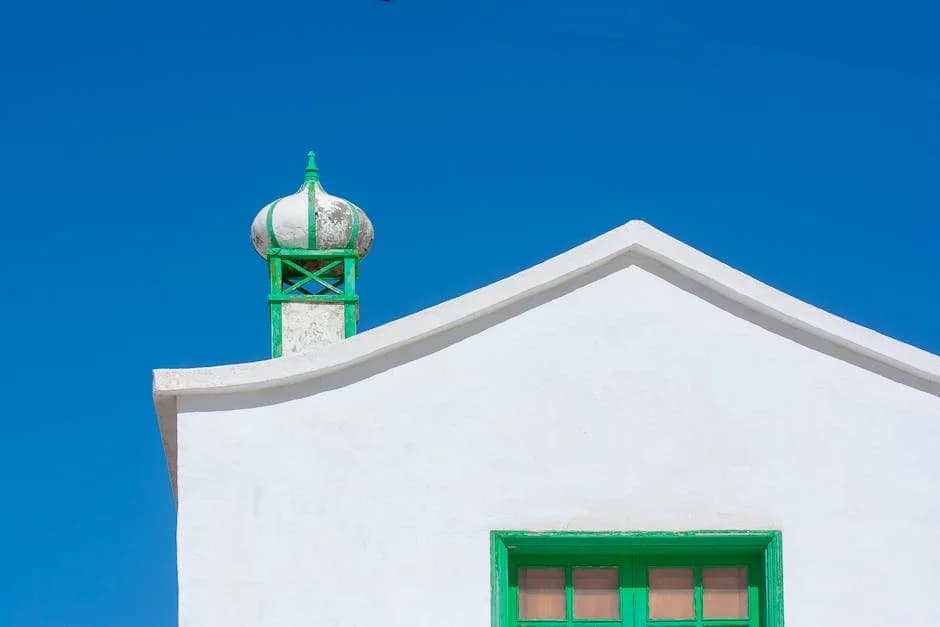

5 Colorful Towns in Portugal You Must Visit
Discover 5 colorful towns in Portugal hidden from tourist crowds. From Monsaraz to Piódão, explore vibrant villages with authentic local charm. Plan your trip now!
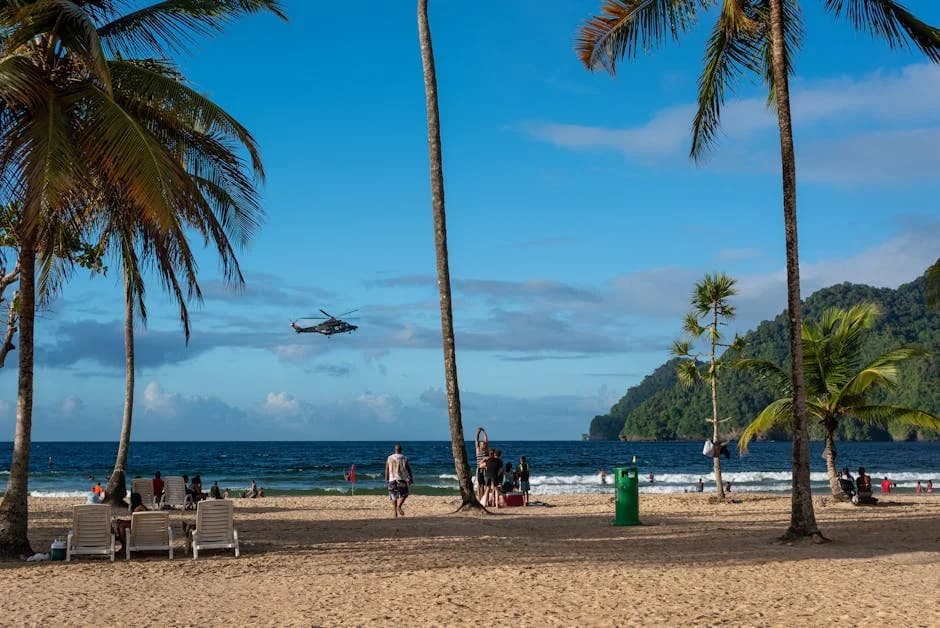
7 safest caribbean islands
Discover the 7 safest Caribbean islands with crime data, hurricane risk, and traveler-specific tips. Plan your secure vacation with confidence today!
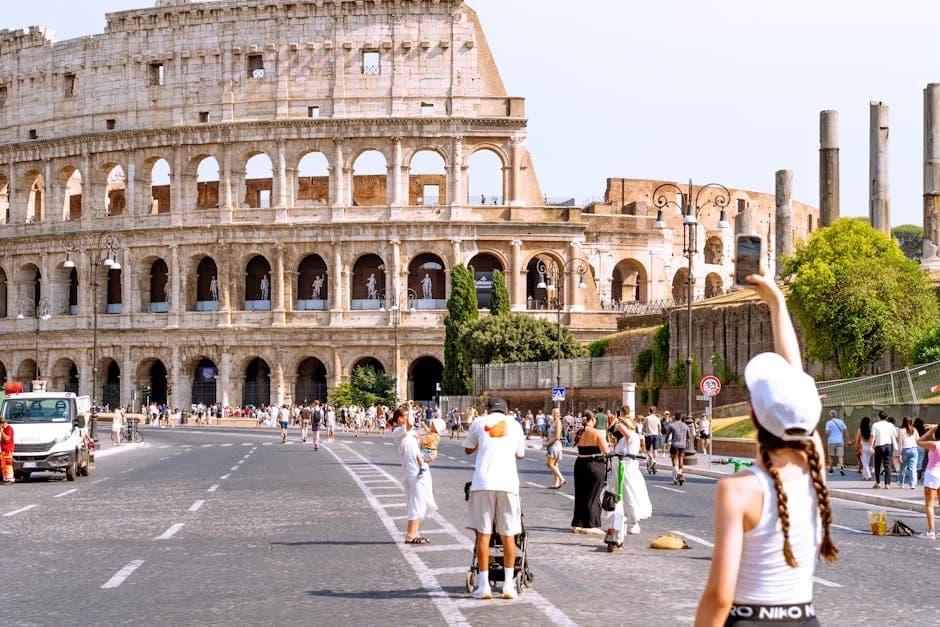
Italy travel guide for families with kids
Traveling to Italy with children? Get expert tips on kid-approved attractions, stroller-friendly routes, and family hotels. Make unforgettable memories!
Italy Travel Guide
Plan your dream Italy trip with our ultimate guide. Insider tips, budget breakdowns, cultural dos and donts, month-by-month advice. Avoid tourist traps! Start planning.