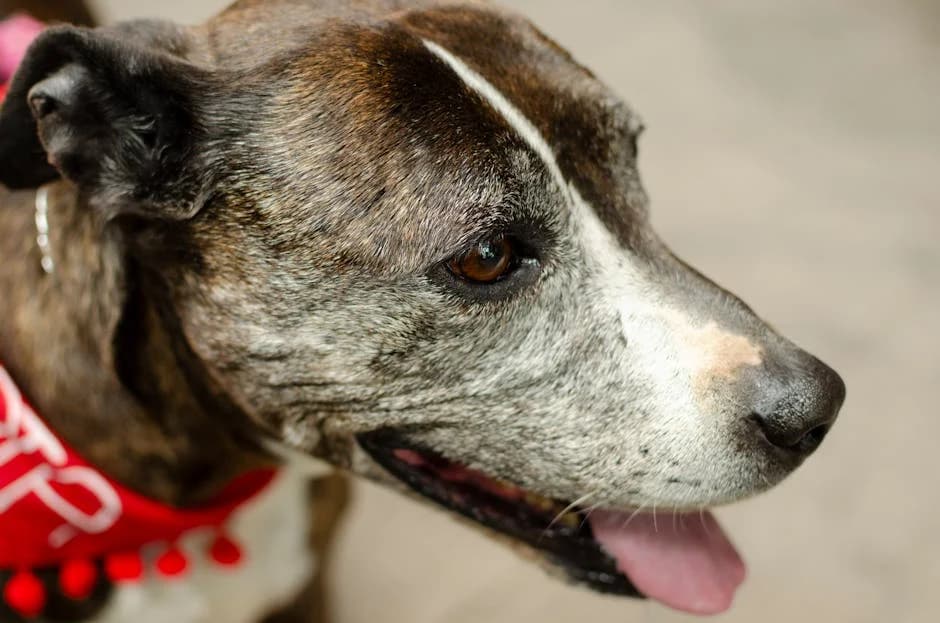
Address the specific daily care needs of older pets, focusing on comfort, mobility, and early detection of age-related issues.
Noticing your dog’s graying muzzle or your cat’s slower jump onto the couch signals a new chapter. Those subtle shifts call for a fresh set of senior pet care tips designed around comfort, mobility, and early detection.
Your older companion doesn’t need less care; they need a different kind of attention that honors their changing body and mind.
The daily routine you’ve relied on for years might now be causing discomfort or missing early warning signs. This guide walks you through practical adjustments, from recognizing when normal aging becomes a health concern to adapting nutrition, exercise, and home setups.
You’ll find actionable advice on joint support, dental health, cognitive stimulation, and smarter vet visits, all aimed at keeping your senior pet happy and comfortable for years to come.
H2: Recognizing Signs of Aging in Pets
Spotting the early signs of aging lets you adapt your senior pet care tips before small issues become big problems. You might notice a graying muzzle, especially on dogs and cats, or a slight cloudiness in their eyes that wasn’t there last year.
Those subtle changes often appear between seven and ten years old, depending on breed and size, and they’re your cue to start paying closer attention.
 Save
Save
Mobility shifts are another clear indicator. Your once bouncy companion may hesitate before jumping onto the couch or take a little longer to stand up after a nap.
Stiffness in the hips or shoulders, especially in the morning, often signals the beginning of joint wear that’s common in older pets. You might also catch them slipping on hardwood floors or avoiding stairs they used to race up.
Behavioral clues matter just as much as the physical ones. A senior dog who suddenly seems confused by familiar routines or a cat who vocalizes more at night could be showing cognitive changes.
Many aging pets also sleep more deeply and for longer stretches, sometimes startling awake or seeming disoriented for a moment. Recognizing these patterns early gives you the chance to adjust daily routines and keep your older friend comfortable well into their golden years.
H2: Gentle Exercise and Mobility Aids
Keeping an older pet moving is one of the most important senior pet care tips you can follow. Regular, gentle activity maintains muscle tone, supports joint health, and prevents the stiffness that often comes with age.
The goal isn’t intense workouts but consistent, low-strain movement that respects your pet’s changing body.
Low-Impact Exercise Options
Short, leisurely walks remain the foundation of daily exercise for most senior dogs. Pay close attention to your pet’s pace and watch for signs of fatigue like lagging behind or heavy panting.
Swimming offers an even gentler alternative, as the buoyancy of water removes stress from aching joints while still providing excellent cardiovascular benefits. For dogs with arthritis, a tailored daily routine for dogs with arthritis can be a game-changer, combining movement with rest in a way that minimizes pain.
Pro Tip
Always warm up your senior pet’s muscles with a short, slow walk before any exercise to prevent stiffness and injury. This simple habit increases blood flow and makes movement safer.
Indoor activities can supplement outdoor exercise on bad weather days. Simple nose work games, like hiding treats under cups, engage their mind and encourage gentle movement without overexertion.
The key is to keep sessions short and stop before your pet seems tired, always ending on a positive note.
Mobility Aids for Daily Support
Sometimes a little extra help goes a long way in preserving independence. Supportive harnesses with handles let you assist your dog over stairs or into the car without straining their back or yours.
Non-slip mats on hardwood floors prevent dangerous slips, and ramps for furniture or vehicles reduce the need for jumping. These small adjustments to your home environment make everyday life safer and more comfortable.
Orthopedic beds with memory foam cushion pressure points and keep joints warm during rest. If you notice your pet struggling more than usual despite these aids, it’s time to revisit your veterinarian.
They can assess whether pain management, physical therapy, or additional interventions might restore comfort and mobility. Implementing these senior pet care tips consistently helps your companion stay active and content well into their golden years.
H2: Nutrition for Seniors: Joints, Kidneys, and Digestion
Joint and Kidney Support Through Diet
Aging joints and kidneys often demand the most attention when you’re fine-tuning your older pet’s diet. You don’t have to choose between the two.
Many senior pet care tips overlook the fact that high-quality protein, rich in essential amino acids, actually supports lean muscle that stabilizes creaky joints. At the same time, you’ll want to keep phosphorus levels moderate to ease the workload on aging kidneys.
Omega-3 fatty acids from fish oil are a double win here because they naturally fight inflammation in the joints and help maintain kidney blood flow.
 Save
Save
Common Mistake
Not every senior pet needs a low-protein diet. High-quality, digestible protein preserves muscle mass and supports immune health. Restrict protein only when your veterinarian diagnoses advanced kidney disease and recommends it.
Glucosamine and chondroitin supplements can be helpful, but they work best when paired with a diet that doesn’t fuel systemic inflammation. Look for foods that list whole meat or fish as the first ingredient and avoid those loaded with starchy fillers.
If your vet has flagged early kidney concerns, you might also explore therapeutic diets that precisely balance protein, phosphorus, and sodium. These formulas take the guesswork out of supporting two systems at once.
Easing Digestive Discomfort
Digestion often slows down with age, and that can lead to irregular stools, gas, or even a picky appetite. Adding a source of prebiotic fiber, like pumpkin or chicory root, helps keep the gut microbiome thriving without harsh laxatives.
Many older pets also benefit from a probiotic supplement, especially after antibiotic rounds or during seasonal stress. Small, frequent meals can be easier on a sluggish digestive tract than one or two large portions.
Moisture matters more than most people realize. Canned food or a high-quality fresh diet increases water intake, which softens stools and supports kidney function simultaneously.
Pay attention to how your pet responds to new ingredients and introduce any diet change over a week or more. Sudden switches are a common trigger for digestive upset in seniors, so patience pays off.
A consistent, gentle approach to nutrition is one of the most impactful senior pet care tips you can follow to keep your companion comfortable and thriving.
H2: Dental Care for Older Pets
Dental health often gets overlooked in senior pet care tips, but it’s one of the most critical areas to monitor. Older pets are far more prone to periodontal disease, tooth decay, and painful abscesses.
Left untreated, oral bacteria can enter the bloodstream and damage the heart, kidneys, and liver. Starting a consistent dental routine now can add comfortable years to your pet’s life.
 Save
Save
At-Home Dental Care Routine
Daily brushing remains the gold standard for keeping an older pet’s teeth clean. Use a soft-bristled brush and pet-specific toothpaste, since human products contain fluoride and xylitol that are toxic.
If your senior dog or cat resists, start with a finger brush and let them taste the paste first. Even a few gentle swipes along the gumline make a difference.
Common Mistake
Bad breath in older pets isn’t normal , it’s often the first sign of periodontal disease, which can lead to serious organ damage if left untreated.
Beyond brushing, dental chews and water additives approved by the Veterinary Oral Health Council can supplement your senior pet’s oral care. Look for products with the VOHC seal to ensure they actually reduce plaque.
Watch for signs of trouble like drooling, pawing at the mouth, or dropping food. These often point to hidden dental pain that older pets stoically endure.
Professional Cleanings and Anesthesia Considerations
Even the best home care can’t replace a thorough veterinary dental cleaning, especially for senior pets. Tartar below the gumline requires scaling under anesthesia.
Many owners worry about anesthesia risks for older animals, but modern protocols include pre-anesthetic bloodwork and tailored monitoring. This screening catches underlying kidney or liver issues before they become emergencies.
A professional cleaning allows the vet to take full-mouth X-rays and address problems like resorptive lesions or fractured roots. Recovery is usually smooth, with most seniors eating soft food within a day.
Pairing these cleanings with your daily routine creates a complete dental care plan that supports your pet’s overall health and longevity.
H2: Cognitive Health: Keeping Their Mind Sharp
Mental decline doesn’t have to be an inevitable part of your pet’s golden years. Senior pet care tips often overlook the brain, but cognitive health directly impacts quality of life, from recognizing family members to remembering the route to the food bowl.
A sharp mind keeps your older dog or cat engaged with the world, reducing anxiety and that heartbreaking lost look. Daily mental workouts can slow deterioration and even build new neural pathways, much like in humans.
 Save
Save
Mental Stimulation and Enrichment
Puzzle feeders turn mealtime into a thinking game, tapping into natural foraging instincts while exercising problem-solving skills. Rotating different puzzles prevents boredom and keeps the challenge fresh, which is a cornerstone of effective senior pet care.
Short, positive training sessions using treats or praise reinforce old tricks or teach new, simple commands like "touch" or "find it." These interactions also strengthen your bond, giving your pet a sense of purpose and accomplishment.
Scent work provides powerful mental engagement without physical strain. Hide a favorite treat or toy behind furniture or in a snuffle mat, and let your senior pet use their nose to track it down.
This type of enrichment is especially helpful for pets with mobility issues, as it tires the brain without taxing sore joints. Even a few minutes a day can make a noticeable difference in alertness and overall demeanor.
Recognizing Early Signs of Cognitive Dysfunction
Catching cognitive decline early opens the door to interventions that can slow its progression. Many pet parents mistake the first signs for normal aging, but subtle shifts like increased sleep during the day, restlessness at night, or occasional house soiling warrant attention.
A dog who stares blankly at a wall or a cat who seems to forget the litter box location isn’t being stubborn,these are potential red flags for cognitive dysfunction syndrome.
Important
Don’t dismiss early cognitive signs as ‘just old age.’ Early intervention with environmental enrichment, diet changes, and vet guidance can significantly slow mental decline and improve your pet’s quality of life.
Changes in social interaction are another key indicator. A previously affectionate pet may become withdrawn, or a independent one might suddenly cling to you.
Disorientation in familiar spaces, such as getting stuck behind furniture or failing to recognize a known person, signals deeper neurological changes. Discussing these observations with your veterinarian can lead to management strategies, from dietary adjustments to medications that support brain health in older pets.
Consistent daily routines form the backbone of cognitive care, reducing confusion and anxiety. Keep feeding, walking, and playtimes predictable, and avoid rearranging furniture unnecessarily.
Pairing mental enrichment with a structured day gives your senior companion the best chance at staying sharp, comfortable, and connected well into their twilight years.
H2: Adjusting Vet Visits and Monitoring
Adjusting your vet visit schedule and at-home monitoring routine is one of the most impactful senior pet care tips you can follow. Older pets often hide discomfort, and subtle changes can signal serious health issues long before they become obvious.
A proactive approach gives you the best chance to catch problems early and keep your companion comfortable.
Increasing Vet Visit Frequency
Most veterinarians recommend that healthy senior pets have a checkup every six months instead of once a year. These twice-annual visits allow for early detection of conditions like kidney disease, dental decay, or arthritis that progress silently.
Bloodwork and urinalysis become essential screening tools because they reveal organ function changes that a physical exam might miss.
 Save
Save
During these appointments, be prepared to discuss any shifts in your pet’s appetite, thirst, or energy levels. Even small details, like a slight limp after naps or increased nighttime restlessness, can guide your vet toward a diagnosis.
Bringing a list of observations ensures nothing gets overlooked.
At-Home Monitoring That Makes a Difference
Between vet visits, you become the most important health monitor for your senior dog or cat. Weekly body checks can help you spot new lumps, skin changes, or sensitive areas that need attention.
Pay close attention to your pet’s water consumption and urination habits, as increases often point to diabetes or kidney issues.
Common Mistake
Many pet parents assume that slowing down is just a normal part of aging. In reality, it’s often a sign of pain from arthritis or dental disease that can be managed once detected.
Mobility changes deserve special attention. A reluctance to climb stairs or jump onto furniture may indicate joint pain, not just old age.
Tracking these subtle shifts in a simple journal helps you provide concrete examples at the next vet appointment, making early intervention more likely.
By fine-tuning both your vet schedule and your daily observation habits, you create a safety net that catches problems before they escalate. Your senior pet depends on you to be their advocate, and these adjustments make all the difference.
FAQ
How can I tell if my older pet is in pain?
Senior pets often hide discomfort, so watch for subtle changes like reluctance to jump, increased irritability, or excessive licking of a joint. A dog that suddenly pants at night or a cat that avoids the litter box might be signaling pain. Trust your gut and ask your vet about a pain assessment if you notice any shift in behavior.
What are the best non-slip flooring options for senior dogs?
Yoga mats, rubber-backed runners, and interlocking foam tiles give aging dogs the traction they need on hardwood or tile. Avoid scatter rugs that can slide and cause falls. For a more permanent solution, consider low-pile carpet or apply a non-slip floor coating in high-traffic areas.
Is it normal for my senior dog to sleep all day?
While older dogs do need more rest, a sudden increase in sleep or lethargy can point to an underlying issue like arthritis pain, hypothyroidism, or cognitive decline. Note whether your dog still perks up for meals and short walks. If the deep sleep seems unbreakable or they seem disoriented upon waking, mention it at your next vet visit.
What are the signs of cognitive decline in older cats?
Feline cognitive dysfunction often shows up as aimless wandering, loud nighttime yowling, or forgetting the location of the litter box. You might also notice your cat staring at walls or seeming confused in familiar rooms. Environmental enrichment and consistent routines can help, but a vet can rule out medical causes like hypertension.
What daily senior pet care tips can help my aging dog stay comfortable?
Focus on three pillars: a consistent low-impact routine, an orthopedic bed placed away from drafts, and diet tweaks that support joint and kidney health. Short, frequent potty breaks and gentle massage can ease stiffness. Most importantly, watch for subtle changes in thirst, appetite, or mobility, because early detection makes all the difference.
Share this article


Staff Writer
adminRelated Articles


5 Colorful Towns in Portugal You Must Visit
Discover 5 colorful towns in Portugal hidden from tourist crowds. From Monsaraz to Piódão, explore vibrant villages with authentic local charm. Plan your trip now!

7 safest caribbean islands
Discover the 7 safest Caribbean islands with crime data, hurricane risk, and traveler-specific tips. Plan your secure vacation with confidence today!

Italy travel guide for families with kids
Traveling to Italy with children? Get expert tips on kid-approved attractions, stroller-friendly routes, and family hotels. Make unforgettable memories!

Italy Travel Guide
Plan your dream Italy trip with our ultimate guide. Insider tips, budget breakdowns, cultural dos and donts, month-by-month advice. Avoid tourist traps! Start planning.