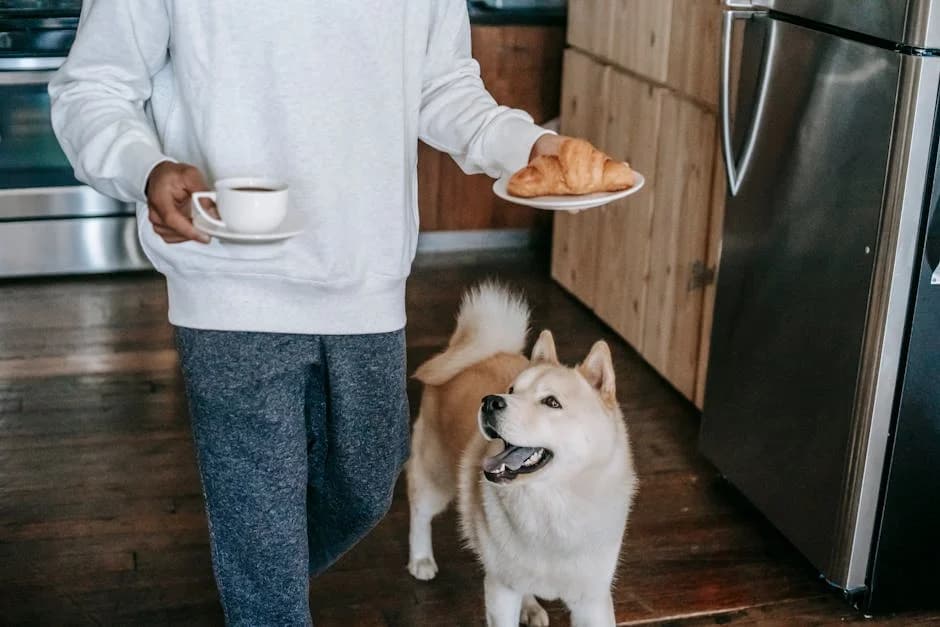
Guide pet owners through identifying and eliminating common household dangers with a systematic approach.
Your home feels like the safest place in the world, but to a curious dog or an adventurous cat it’s a landscape of hidden hazards. Pet-proofing your home isn’t about wrapping everything in bubble wrap or banishing your furry friend to a single room.
It’s a systematic approach to spotting and eliminating dangers before they cause harm, and it starts with seeing your space through their eyes.
Everyday items we barely notice,a stray grape on the kitchen floor, a dangling blind cord, an open bathroom trash can,can turn into serious threats in seconds. This guide walks you through each area of your house, from the pantry to the garage, with a clear plan for identifying risks and making simple, effective changes.
By the end, you’ll have a room-by-room strategy and a daily five-minute habit that keeps your pet safe without turning your life upside down.
H2: Kitchen and Pantry: Toxic Foods and Sharp Objects
The kitchen holds more hidden dangers for pets than any other room in the house. From countertops lined with toxic ingredients to drawers full of sharp utensils, a single unsupervised moment can lead to an emergency vet visit.
Pet-proofing your kitchen means looking at the space from your animal’s perspective, identifying every reachable threat, and eliminating access completely.
Toxic Foods in the Pantry
Many common pantry staples are surprisingly poisonous to dogs and cats. Chocolate, grapes, raisins, onions, garlic, and anything containing xylitol top the list of immediate dangers.
Even small amounts of these foods can cause kidney failure, seizures, or worse. Store all such items in high cabinets or sealed containers that a curious nose cannot pry open.
Baking ingredients like raw yeast dough and macadamia nuts also belong far out of reach.
Pro Tip
Xylitol, an artificial sweetener, is extremely toxic to dogs and can be found in sugar-free peanut butter, gum, and baked goods. Even a tiny amount can cause rapid insulin release and liver failure. Always check labels before using peanut butter as a treat.
Check ingredient labels carefully before sharing any human food. Some peanut butter brands now include xylitol as a sweetener, turning a classic treat into a deadly poison.
When pet-proofing your home, a simple habit of reading labels prevents accidental exposure. Even foods that seem harmless, like avocados or raw potatoes, contain compounds that can upset your pet’s stomach or worse.
Sharp Objects and Kitchen Hazards
Knife blocks, open drawers, and trash cans pose physical risks that are just as serious as toxic foods. A wagging tail can sweep a chef’s knife off the counter in an instant.
Install childproof latches on lower cabinets that hold cleaning supplies, and keep knives in a closed block or drawer. Trash cans should have a locking lid or be stored inside a latched cabinet to prevent your pet from accessing bones, string, or spoiled food.
Small appliances like toasters and coffee makers can also become hazards if cords dangle within reach. Use cord shorteners or tuck them behind heavy appliances.
The stovetop demands constant vigilance; never leave food unattended if your pet can jump onto the counter. Even a cooled burner can singe curious whiskers.
By combining these precautions with a daily pet care routine, you create a kitchen that works for everyone. With the kitchen secured, the next step is to tackle the living room, where cords, plants, and small objects present a different set of challenges.
H2: Living Room: Cords, Plants, and Small Objects
Your living room is the heart of the home, but for curious pets it’s a landscape of hidden dangers. Dangling cords, leafy houseplants, and tiny forgotten objects can quickly turn into chewing temptations or choking hazards.
A systematic sweep of this space is one of the most impactful steps in pet-proofing your home.
 Save
Save
Electrical Cords and Cables
Pets, especially puppies and kittens, explore the world with their mouths. Exposed electrical cords pose a serious shock risk, while string-like cables can cause intestinal blockages if swallowed.
Tuck wires behind furniture or secure them with adhesive cord clips along baseboards. For those new to pet ownership, a solid foundation in pet care basics will teach you to view your home from a pet’s perspective, making these hazards obvious.
Pro Tip
Bundle loose cords inside PVC pipe covers or flexible cord protectors. Bitter apple spray adds a temporary deterrent, but physical barriers offer permanent peace of mind.
Toxic Plants and Choking Hazards
Many common houseplants are toxic to dogs and cats, including pothos, lilies, and philodendrons. Check the ASPCA’s toxic plant list and either remove dangerous greenery or hang it well out of reach.
Meanwhile, small objects like coins, batteries, hair ties, and children’s toys can lodge in a pet’s throat or cause internal damage. Get down on your hands and knees for a pet’s-eye view and sweep the floor daily.
Once you’ve secured the living room, the next critical zone is the bedroom, where medications and loose fabrics present a different set of risks.
H2: Bedroom and Closet: Medications and Fabrics
When pet-proofing your home, the bedroom often gets overlooked as a danger zone. But for curious cats and dogs, nightstands and closets hold hidden hazards.
Loose pills, dangling fabrics, and accessible clothing can all lead to serious trouble. A systematic sweep of this private space is just as important as securing the kitchen.
 Save
Save
Securing Medications
Medications top the list of bedroom risks for pets. Even a single dropped pill can be fatal to a small animal.
Always store prescription and over-the-counter drugs in a latched drawer or a high, closed cabinet. Never leave pill bottles on a nightstand or in an open purse on the floor.
Common Mistake
Leaving pill bottles on a nightstand is a leading cause of pet poisoning. Always store medications in a latched drawer or high cabinet immediately after use.
Pets are often drawn to the rattle of a pill bottle, mistaking it for a toy. Child-resistant caps are not pet-resistant.
A determined chewer can puncture plastic in minutes. If you use a weekly pill organizer, keep it inside a drawer immediately after each use.
This small habit eliminates a major poisoning risk.
Protecting Fabrics and Clothing
Closets and laundry piles present a different set of dangers. Cats love to climb hanging garments, which can topple clothing racks or cause hangers to snap.
Dogs may chew on shoes, belts, or fabric items that carry your scent. Simple, budget-friendly pet care strategies like using closed closet doors or fabric storage bins can prevent these accidents without expensive renovations.
Delicate fabrics like silk or wool are especially tempting to kneading cats. Even a single snag can ruin a favorite piece.
Store special-occasion clothing in garment bags hung high. For everyday items, keep laundry in a hamper with a lid.
A few seconds of tidying each morning keeps your wardrobe safe and your pet out of the emergency vet.
H2: Bathroom: Chemicals and Open Toilets
Pet-proofing your home requires a room-by-room approach, and the bathroom often hides some of the most concentrated dangers. Cleaning chemicals, medications, and even the toilet itself can pose serious risks to curious cats and dogs.
A few simple adjustments can turn this space from a hazard zone into a safe area for your pets.
 Save
Save
Securing Cleaning Products and Medications
Bathroom cabinets often store powerful disinfectants, bleach, and drain cleaners that can cause chemical burns or poisoning if ingested. Even small amounts of toilet bowl cleaner left in the brush holder can be tempting to a pet.
Move all cleaning supplies to high shelves or install childproof latches on lower cabinets. This single step eliminates the majority of chemical risks in the bathroom.
Medications are another overlooked threat. A dropped pill on the floor or an open bottle on the counter can lead to a life-threatening overdose for a small animal.
Keep all prescriptions and over-the-counter drugs in a closed cabinet, not on the countertop. Remember that pets can chew through plastic bottles, so a secure storage spot is essential for true pet-proofing the bathroom.
Preventing Toilet-Related Accidents
An open toilet bowl looks like a giant water dish to a thirsty pet, but the water inside often contains cleaning chemicals and bacteria. Small dogs and cats can fall in and struggle to climb out, leading to drowning.
Always close the toilet lid after use, and consider using a lid lock if your pet is particularly determined. This habit takes seconds but can prevent a tragedy.
Toilet paper and other bathroom items might seem harmless, but ingestion can cause intestinal blockages. Keep the roll on a holder that prevents unspooling, or store extra rolls in a cabinet.
A trash can with a secure lid also stops pets from scavenging used tissues or dental floss, which can be extremely dangerous if swallowed. These small adjustments make the bathroom far safer as part of a complete pet-proofing your home plan.
H2: Garage and Yard: Pesticides and Escape Routes
Pet-proofing your home extends well beyond the living room. The garage and yard often contain some of the most hazardous items your pet will ever encounter, from toxic chemicals to easy escape routes.
A systematic sweep of these areas can prevent emergencies that are far too common.
 Save
Save
Pesticides and Chemicals
Rodenticides, insecticides, and herbicides might keep pests away, but they pose a lethal threat to pets. Even products labeled as "pet-safe" can cause severe reactions if ingested in large quantities.
Store all such chemicals in high cabinets or locked sheds, never on the floor where a curious nose can find them.
Antifreeze deserves special attention because its sweet taste is irresistible to dogs and cats. Just a few laps from a puddle in the driveway can lead to kidney failure within hours.
Clean up spills immediately and consider switching to propylene glycol-based formulas, which are less toxic.
Common Mistake
Many people store antifreeze in the garage without realizing its sweet taste attracts pets. Even a small amount can be fatal. Always keep it in a sealed, pet-proof cabinet.
Fertilizers and compost piles also attract pets with their strong odors. Cocoa mulch, in particular, contains theobromine, the same compound that makes chocolate toxic.
Opt for untreated wood chips or rubber mulch instead, and fence off any compost area securely. This pet-proofing step is often overlooked but can save a trip to the emergency vet.
Escape Routes and Fencing
Securing your yard against escapes is a critical part of pet-proofing your home. A loose fence board or a gap under the gate is all it takes for a determined pet to wander into danger.
Walk your property line monthly, paying special attention to spots where the ground has shifted after rain. Even small dogs can squeeze through surprisingly narrow openings.
For diggers, bury chicken wire along the base of the fence or install an L-footer underground. Climbers need a taller barrier with no nearby objects like woodpiles or trash bins that could serve as a launching pad.
Check gate latches too. Some clever pets learn to nudge them open.
Once you’ve secured the outdoors, the next step is making these checks a daily habit.
H2: Daily Quick Checks: A 5-Minute Habit
A five-minute sweep each day catches hazards before they become emergencies. I walk through the main living spaces and scan for anything out of place, focusing on the areas where my pets spend the most time.
This habit turns pet-proofing your home from a one-time project into a living, breathing routine that adapts as your household changes.
 Save
Save
Start in the kitchen, where crumbs and dropped food can lure a curious nose. Check that pantry doors are fully closed and that no plastic wrap or twist ties have fallen to the floor.
Move through the living room next, scanning for loose cords, small toys, or houseplants that might have been knocked over. In the bathroom, verify the toilet lid is down and that cleaning supplies are tucked away.
A quick glance at the bedroom floor catches stray hair ties or medication bottles that might have rolled under the bed.
Consistency matters more than perfection. Missing a day won’t undo your work, but the real power comes from making this sweep as automatic as locking the front door.
Over time, you’ll spot patterns,like a cat that always knocks over a certain lamp,and you can address the root cause instead of just reacting. That shift from cleanup to prevention is where real pet safety lives.
FAQ
What is the first thing I should do when pet-proofing my home?
Start by getting down on your hands and knees and seeing the world from your pet’s eye level. You’ll spot loose wires, small objects under furniture, and sharp corners that you’d normally miss. This perspective shift is the fastest way to identify hidden hazards.
Are there any household items that are dangerous to pets that most people overlook?
Absolutely. Dental floss, rubber bands, hair ties, and batteries are common culprits that can cause serious internal injuries if swallowed. Even items like dryer sheets and certain houseplants can be toxic, so it’s worth scanning each room for these sneaky dangers.
How can I pet-proof my home if I rent and can’t make permanent changes?
You can use renter-friendly solutions like adhesive cord covers, tension-mounted baby gates, and removable cabinet latches. These options protect your pet without damaging walls or fixtures, and they’re easy to take down when you move.
Do I need to pet-proof differently for cats versus dogs?
Yes, because cats are natural climbers and jumpers, so high shelves and dangling cords become bigger risks. Dogs tend to explore with their mouths, so floor-level hazards like electrical cords and small toys need extra attention. Tailor your approach to your pet’s specific behaviors.
What is the best way to keep my pet out of certain rooms?
A sturdy baby gate or a closed door is the simplest solution, but you can also train your pet to respect boundaries using positive reinforcement. For cats, motion-activated deterrents or double-sided tape on doorways can discourage entry without causing stress.
How do I create a pet-proofing home checklist that I can use regularly?
Break your home into zones like the kitchen, living areas, and bathroom, then list common hazards for each space. Run through the checklist once a month or whenever you bring in new furniture or seasonal decorations. A consistent routine catches dangers before they become emergencies.
Share this article


Staff Writer
adminRelated Articles


5 Colorful Towns in Portugal You Must Visit
Discover 5 colorful towns in Portugal hidden from tourist crowds. From Monsaraz to Piódão, explore vibrant villages with authentic local charm. Plan your trip now!

7 safest caribbean islands
Discover the 7 safest Caribbean islands with crime data, hurricane risk, and traveler-specific tips. Plan your secure vacation with confidence today!

Italy travel guide for families with kids
Traveling to Italy with children? Get expert tips on kid-approved attractions, stroller-friendly routes, and family hotels. Make unforgettable memories!

Italy Travel Guide
Plan your dream Italy trip with our ultimate guide. Insider tips, budget breakdowns, cultural dos and donts, month-by-month advice. Avoid tourist traps! Start planning.