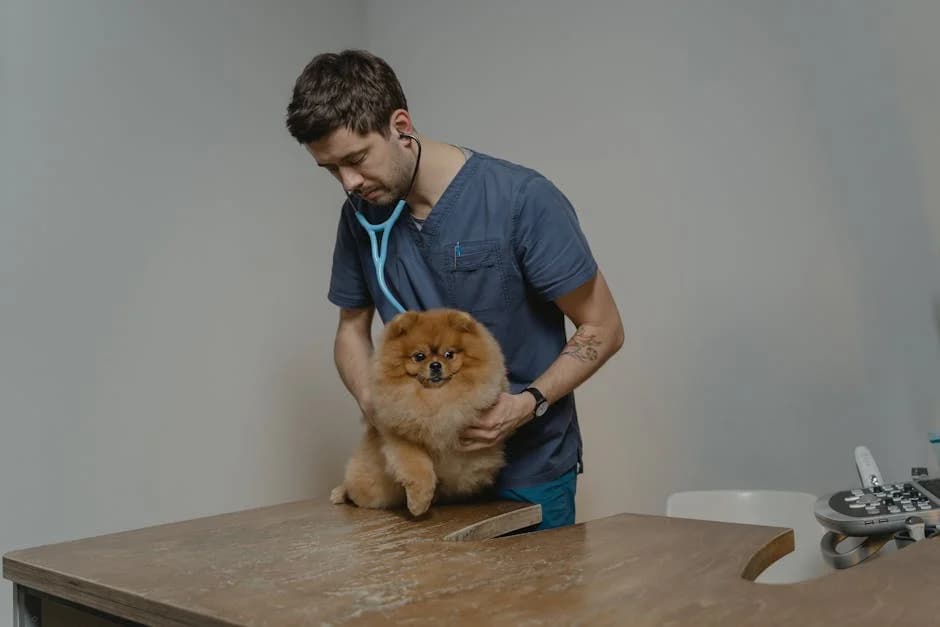
Educate pet owners on pet insurance as a financial micro-habit that supports long-term health care.
A single emergency vet visit can wipe out months of careful budgeting. That sinking feeling of choosing between your pet’s health and your financial stability is something no owner should face.
Yet most of us treat pet insurance as an afterthought, a grudge purchase we’ll get around to someday. This pet insurance guide reframes that thinking entirely.
Instead of another bill, think of it as a financial micro-habit, a small, consistent action that builds a safety net for your pet’s entire life.
Building that habit starts with understanding what coverage actually does, how plans differ, and where the real value hides. Over the next few minutes, you’ll learn to spot the difference between accident-only and comprehensive policies, decode exclusions and waiting periods, and compare costs without drowning in fine print.
By the end, you’ll have a clear framework for weaving insurance into your daily pet care routine, not as an expense, but as the quiet backbone of long-term health care.
H2: Why Consider Pet Insurance?
Veterinary medicine has advanced dramatically, but those breakthroughs come with a price tag that can catch even the most prepared pet owners off guard. A single emergency surgery or chronic condition can easily run into thousands of dollars, turning a beloved companion’s health crisis into a financial emergency.
Treating pet insurance as a small, recurring financial micro-habit transforms that uncertainty into a predictable monthly line item, much like a gym membership or streaming subscription. The difference is that this one protects the life you share with your dog or cat.
Financial Protection Against Unexpected Vet Bills
Accidents and illnesses rarely announce themselves. A torn cranial cruciate ligament (the dog equivalent of an ACL) can blow through $2,500 in a single procedure, and cancer treatments often climb far higher.
Without a safety net, these costs force heartbreaking decisions between a pet’s health and a family’s budget. A solid pet insurance plan steps in to cover the bulk of those expenses, reimbursing you for everything from diagnostic tests to surgeries and hospital stays.
Knowing that your financial exposure is capped at a deductible and a co-pay lets you focus on what matters most: your pet’s recovery.
Building a routine of preventive care also plays a huge role in long-term health, and many policies now include wellness add-ons that cover annual exams, vaccines, and dental cleanings. That’s where the habit-forming angle really shines.
When you’re already paying for coverage, you’re more likely to use those benefits, which leads to earlier detection of issues and lower overall costs. Pairing a policy with everyday helpful pet care tips creates a feedback loop where small, consistent actions keep your pet healthier for years.
Peace of Mind for Proactive Pet Care
Pet insurance isn’t just about emergencies. It also removes the hesitation that can delay routine visits or early interventions.
When you know a vet visit won’t land you with a surprise $500 invoice, you’re far more likely to book that appointment for a limp that’s been lingering or a suspicious lump you noticed last week. That shift in mindset from reactive to proactive care can literally add years to your pet’s life.
Many owners discover that once they have coverage, they actually engage more deeply with their pet’s health. They track symptoms, research breed-specific risks, and communicate more openly with their vet because the financial barrier has been lowered.
This proactive engagement often uncovers manageable conditions before they become crises, turning insurance from a safety net into a strategic tool for long-term wellness.
Pro Tip
Start with a high annual limit,you can always reduce coverage later, but trying to increase it later might trigger pre-existing condition exclusions. Lock in the best protection while your pet is young and healthy.
H2: Types of Coverage: Accident-Only vs. Comprehensive
Pet insurance plans fall into two main categories, and the distinction shapes everything from monthly premiums to what actually gets reimbursed. Accident-only policies cover unexpected physical injuries like fractures, bite wounds, or swallowing a foreign object.
Comprehensive plans go further, bundling accident protection with coverage for illnesses, hereditary conditions, and sometimes even behavioral therapy. The right choice depends less on your budget and more on the kind of risks your pet faces day to day.
 Save
Save
Accident-Only Coverage
An accident-only plan is the leanest form of pet insurance, designed to handle sudden mishaps that require emergency care. Think broken bones from a fall, lacerations, or toxic ingestions.
These policies won’t pay for cancer treatments, diabetes management, or ear infections. They shine for young, healthy pets whose primary danger is physical injury.
A single emergency surgery can easily top $3,000, so even this basic tier can prevent a financial spiral.
Comprehensive Coverage
Comprehensive insurance wraps accident protection together with illness coverage, and that changes the calculus entirely. It steps in for chronic conditions like arthritis, allergies, or kidney disease, which become more likely as pets age.
Many plans also include diagnostics, prescription medications, and specialist visits. For senior pet care needs, this broader safety net often pays for itself within the first major illness.
The trade-off is a higher monthly premium, but the per-incident savings can be dramatic.
Common Mistake
Many pet owners assume accident-only plans cover illnesses like cancer or infections. They do not. Accident-only strictly covers injuries from accidents, so a comprehensive policy is the only route for disease-related veterinary costs.
Picking between these two isn’t about good versus bad insurance. It’s about matching the policy to the life stage and breed predispositions of your animal.
A young mixed-breed dog might do fine with accident-only for a few years, while a flat-faced cat prone to respiratory issues benefits from comprehensive coverage from day one. Revisit your choice annually, because a pet’s risk profile shifts faster than most owners realize.
H2: How to Compare Pet Insurance Plans
A smart pet insurance guide doesn’t just list providers,it teaches you how to compare plans like a pro. Treating this comparison as a regular financial micro-habit helps you avoid overpaying for coverage you don’t need while ensuring your pet gets the care they deserve.
Start by gathering quotes from at least three insurers and looking beyond the monthly premium. Integrating these comparisons into your overall budget for pet care makes the process feel less overwhelming and more like a routine check-in on your finances.
 Save
Save
The real differences between plans emerge when you examine a handful of key factors side by side. Deductibles, reimbursement percentages, and annual limits create a triangle of cost-sharing that directly affects your out-of-pocket expenses.
A lower premium often means a higher deductible or a lower reimbursement rate, so you need to weigh the trade-offs carefully. Use the table below as a quick reference while you shop.
| Factor | What to Compare | Why It Matters |
|---|---|---|
| Deductible | The amount you pay before coverage kicks in, typically $100–$1,000 per year. | A higher deductible lowers your premium but increases your upfront cost when you file a claim. |
| Reimbursement Rate | The percentage of vet bills the insurer pays after the deductible, usually 70%, 80%, or 90%. | A 90% rate means you pay only 10% of covered costs, but premiums are higher. |
| Annual Limit | The maximum the plan will pay out per year, ranging from $5,000 to unlimited. | Unlimited plans offer the most protection but cost more; a lower limit may suffice for generally healthy pets. |
| Waiting Periods | The time you must wait after enrollment before coverage begins (e.g., 14 days for illness). | Shorter waiting periods let you use benefits sooner but may come with stricter underwriting. |
| Exclusions | Specific conditions or treatments not covered, such as pre-existing conditions or breed-specific issues. | Understanding exclusions prevents claim denials and helps you budget for uncovered care. |
After you’ve narrowed down the features, request sample policy documents and read the fine print on waiting periods and exclusions. Many pet owners skip this step and later discover their pet’s breed-specific condition isn’t covered.
A thorough comparison now prevents those surprises.
Pro Tip
Don’t let a low monthly premium fool you. A plan with a high deductible and low reimbursement rate can leave you with thousands in unexpected bills.
Remember, the cheapest plan isn’t always the best value,focus on the coverage that matches your pet’s age, breed, and lifestyle. Once you’ve chosen a plan, you’ll be ready to integrate it into your daily care routine.
Common Exclusions and Waiting Periods
Understanding what a pet insurance policy won’t cover is just as important as knowing what it will. Every plan comes with a list of exclusions and waiting periods that can catch even the most prepared pet owner off guard.
These fine-print details shape how useful your coverage really is when an emergency strikes. A solid pet insurance guide should help you spot these gaps before you commit to a policy.
 Save
Save
Common Exclusions
Pre-existing conditions top the list of standard exclusions. If your dog showed signs of hip dysplasia before the policy started, treatment for that condition likely won’t be covered.
Insurers also routinely exclude hereditary and congenital issues, like heart defects in certain breeds, unless you purchase a specific add-on. Elective procedures such as tail docking, ear cropping, and cosmetic surgeries are almost never included.
Even some dental care, unless tied to an accident, falls outside basic plans.
Behavioral therapies and training often surprise owners. Most standard pet insurance plans exclude treatment for aggression, anxiety, or compulsive disorders.
Alternative therapies like acupuncture or chiropractic care might also be left out unless you pay extra for a wellness rider. The key is to look beyond the marketing and ask for a full list of exclusions.
Every insurer publishes a sample policy online, and reviewing it can save you from a denied claim later.
Waiting Periods
Waiting periods are the mandatory delay between when you buy a policy and when coverage actually kicks in. They exist to prevent people from signing up only after their pet gets sick.
Accident coverage typically starts sooner, sometimes within 24 to 48 hours. Illness coverage, however, usually has a 14-day waiting period.
That means if your cat develops a urinary tract infection three days after enrollment, you’ll be paying out of pocket.
Orthopedic conditions often carry an extended waiting period of six months or more. Some insurers, for instance, consider cruciate ligament issues a bilateral condition, meaning if one leg was treated before coverage, the other leg might also be excluded.
This is a detail many pet owners overlook. When comparing policies, note whether the waiting period resets if you switch insurers, because starting over can leave a gap in protection.
Before signing up, always read the fine print to avoid surprises. A thorough pet insurance guide will walk you through these pitfalls, but nothing beats reading the actual policy document.
If you’re unsure about a particular exclusion or waiting period, call the insurer and ask directly. That five-minute conversation could make all the difference when your pet needs care.
H2: Monthly Costs and Deductibles
Monthly pet insurance premiums usually fall between $15 and $60, depending on your pet’s age, breed, and the coverage level you choose. A young mixed-breed dog on an accident-only plan might cost under $20 a month, while a senior purebred with comprehensive coverage can push toward the higher end.
Location also plays a role, because vet costs vary by region. The key is to view this monthly expense not as a random bill, but as a financial micro-habit that steadily protects you from much larger, unpredictable vet fees.
 Save
Save
Deductibles directly influence your premium. A higher deductible, such as $1,000, lowers the monthly payment but means you cover more out of pocket when you file a claim.
A lower deductible, around $250, raises the premium yet reduces your financial risk per incident. Most insurers offer annual deductibles that reset each policy year, though some use per-incident deductibles that apply to each new condition.
Choosing the right balance often comes down to your emergency savings: if you can comfortably handle a sudden $1,000 vet bill, a higher deductible makes sense; if not, a lower one is worth the slightly higher monthly cost.
Treating pet insurance as a routine budget line item, similar to a streaming subscription or a gym membership, helps you absorb the cost without stress. The peace of mind that kicks in when your dog eats something he shouldn’t or your cat develops a chronic condition makes that monthly habit feel like a bargain.
Next, we’ll look at how to weave insurance seamlessly into your everyday pet care rhythm.
H2: Integrating Insurance into Your Pet Care Routine
Most pet insurance guides stop at the purchase, but the real transformation happens when you weave coverage into your daily and monthly routines. Treating it as a financial micro-habit rather than a one-time decision keeps your pet’s health front and center without adding stress.
 Save
Save
Making Insurance a Monthly Habit
Budgeting for your pet insurance premium alongside other recurring expenses turns it into a predictable line item, not an afterthought. Set up automatic payments and schedule a quarterly review to check if your deductible or reimbursement levels still match your pet’s age and breed risks.
This small ritual ensures your policy evolves with your pet’s needs instead of becoming stale.
A common mistake is forgetting to update your coverage after a major life change, like moving to a higher-cost veterinary area or adopting a second pet. A quick monthly glance at your plan details keeps you from overpaying for outdated protection or missing new discounts.
Consistency here means you’ll never scramble to confirm coverage during an emergency.
Using Coverage in Daily Decisions
Pet insurance works best when it removes hesitation from care decisions. If your dog starts limping or your cat skips a meal, knowing you have financial backup lets you call the vet immediately instead of waiting to see if the issue resolves.
This proactive approach often catches problems early, when treatment is cheaper and less invasive.
Filing claims should become as routine as scheduling walks. Most insurers now offer apps that let you submit a photo of the invoice right from the exam room.
Making claim submission a five-minute habit after every vet visit prevents paperwork from piling up and speeds up reimbursement, keeping cash flow predictable.
Start treating your pet insurance as a living part of your care plan, not a forgotten subscription. The next step is mastering the claims process so you never leave money on the table, which we’ll dive into next.
FAQ
Does pet insurance cover pre-existing conditions?
Most standard policies exclude pre-existing conditions, which is why enrolling your pet while they’re young and healthy matters so much. Some insurers distinguish between curable and incurable conditions, meaning a past ear infection that cleared up might be covered after a waiting period. Always read the fine print, and if your pet has a chronic issue, ask about accident-only plans that still protect against unexpected injuries.
Can I use any veterinarian with pet insurance?
Unlike human health insurance, most pet insurance plans let you visit any licensed vet, specialist, or emergency clinic. You pay the bill upfront and then submit a claim for reimbursement. This flexibility is a huge plus if you travel or need after-hours care, but check that the insurer’s reimbursement rates align with typical vet costs in your area.
When is the best time to get pet insurance?
The best time is before any health issues appear. Puppies and kittens often qualify for lower premiums, and enrolling early avoids the risk of future conditions being labeled pre-existing. Even if you adopt an older pet, coverage can still make sense for accidents and new illnesses, so don’t assume it’s too late to start.
How do I file a pet insurance claim?
Most companies now offer a mobile app or online portal where you upload a photo of the paid invoice and your vet’s clinical notes. Turnaround times vary, but many claims are processed within a week. Building this into your monthly routine, like reviewing your budget, turns insurance into a simple financial habit rather than a chore.
Is pet insurance worth it for indoor cats?
Indoor cats can still face urinary blockages, dental disease, or sudden illnesses that rack up thousands in vet bills. A lower-cost accident-and-illness plan often pays for itself after one emergency visit. Think of it as a small monthly micro-habit that protects your cat’s long-term health without derailing your budget.
Where can I find a pet insurance guide that focuses on budgeting?
A comprehensive pet insurance guide that emphasizes budgeting should walk you through comparing deductibles, reimbursement percentages, and annual limits side by side. Look for resources that treat insurance as part of your overall pet care financial plan, not just a standalone product. Our guide here integrates those comparisons with everyday money-saving tips to help you pick a plan that fits your monthly cash flow.
Share this article


Staff Writer
adminRelated Articles


5 Colorful Towns in Portugal You Must Visit
Discover 5 colorful towns in Portugal hidden from tourist crowds. From Monsaraz to Piódão, explore vibrant villages with authentic local charm. Plan your trip now!

7 safest caribbean islands
Discover the 7 safest Caribbean islands with crime data, hurricane risk, and traveler-specific tips. Plan your secure vacation with confidence today!

Italy travel guide for families with kids
Traveling to Italy with children? Get expert tips on kid-approved attractions, stroller-friendly routes, and family hotels. Make unforgettable memories!

Italy Travel Guide
Plan your dream Italy trip with our ultimate guide. Insider tips, budget breakdowns, cultural dos and donts, month-by-month advice. Avoid tourist traps! Start planning.