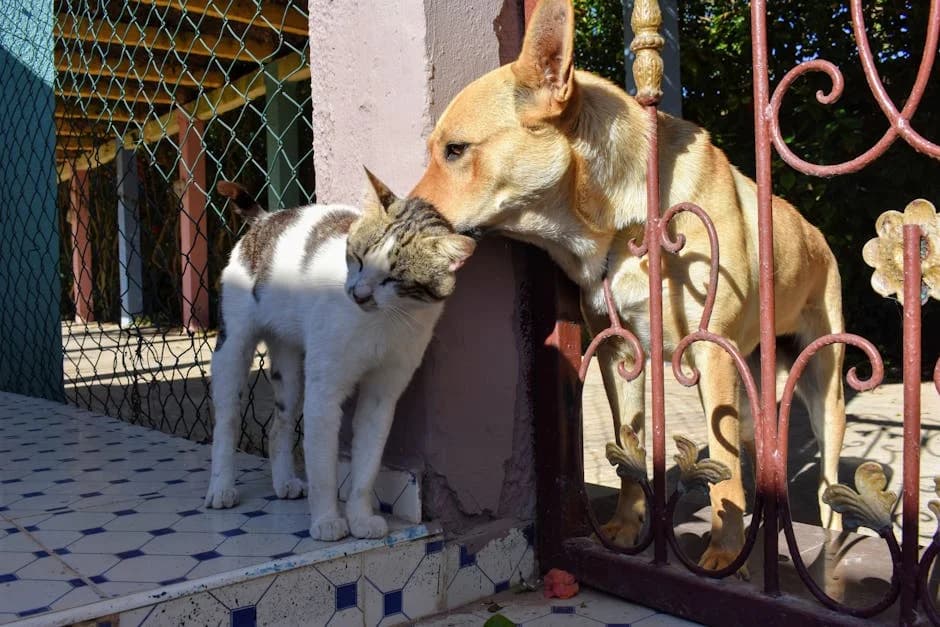
Help owners of dogs, cats, or mixed-species households maintain peace and individual care through consistent daily actions.
Sharing your home with multiple pets brings double the affection and, let’s be honest, double the chaos. Whether you’re managing a pack of dogs, a clowder of cats, or a blended family of both, keeping the peace requires more than just hoping everyone gets along.
Effective multi-pet household tips aren’t about rigid rules; they’re about weaving small, consistent actions into your daily routine that make every animal feel seen, safe, and valued.
A harmonious home doesn’t happen by accident. It’s built on the quiet decisions you make at mealtime, during play, and in those brief moments of one-on-one connection.
This guide walks you through practical, everyday strategies to help dogs, cats, or mixed-species crews coexist with less stress and more genuine comfort. You’ll learn how to introduce new members thoughtfully, manage shared resources without conflict, and spot the subtle signs that someone needs a little extra support.
H2: Introducing New Pets: Slow and Steady
Rushing the introduction is the fastest way to create lasting tension between animals. A slow, phased approach works far better for any multi-pet household.
Start by keeping the new pet in a separate room with the door closed. Let them hear and smell each other through the gap under the door for at least 48 hours.
Swap their bedding so each animal gets used to the other’s scent without direct contact. This simple step signals safety to both pets before they ever lock eyes.
For a multi-pet household, tips like slow introductions are the cornerstone of peace. Once scent familiarity is established, allow visual access through a barrier.
A baby gate or a cracked door with a screen works perfectly. Watch for relaxed body language like loose tails and soft eyes.
Any stiff posture, growling, or prolonged staring means you need to back up a step. Many everyday pet care strategies emphasize consistency, and that holds true here.
Keep these visual sessions short, just five to ten minutes at first, and always end on a positive note with treats or praise.
Pro Tip
Most failed introductions happen because owners skip the scent-swapping phase. Let new pets smell each other’s bedding for several days before they ever see one another.
The first face-to-face meeting should happen in a neutral space, not near any pet’s bed or food bowl. Keep both animals on leash or under voice control.
Parallel walking works wonders for dogs, while cats often prefer to observe from a high perch. Never force interaction. Let them approach at their own pace.
If tension rises, separate and try again later. Building trust between pets takes days or weeks, not hours, but that patience pays off in a calm, harmonious multi-pet home.
H2: Separate Feeding Stations and Schedules
Feeding time in a multi-pet household can quickly become chaotic if every animal rushes the same bowl. Dogs may gulp down cat food, cats might steal each other’s meals, and tension can escalate fast.
One of the most effective multi-pet household tips is to create separate feeding stations and stick to consistent schedules. This simple change reduces competition and ensures each pet gets the right nutrition.
 Save
Save
Why Separate Feeding Matters
Resource guarding is a common issue in homes with multiple pets. When animals feel they must compete for food, stress levels rise and aggressive behavior can develop.
Separate feeding areas give each pet a safe, private space to eat without feeling threatened. Even if your pets get along, different dietary needs,like a senior dog’s prescription kibble versus a puppy’s high-energy formula,make shared bowls impractical.
You also avoid the risk of one pet overeating while another goes hungry.
Setting Up Feeding Stations and Schedules
Start by placing bowls in different rooms or on opposite sides of the same room, depending on your space. Use baby gates or closed doors during meals to prevent wandering.
A consistent schedule is just as important,feed all pets at the same times each day so they learn when to expect their own meal. This predictability cuts down on begging and anxiety.
For cats, elevated surfaces or separate floors work well because cats naturally prefer vertical territory.
Pro Tip
Place feeding stations in different rooms or on different levels to reduce competition. Even a simple barrier like a baby gate can make a huge difference in lowering stress.
Cats, in particular, benefit from feeding routines that mimic their natural hunting instincts. Hiding small portions of kibble around the house or using puzzle feeders turns mealtime into an engaging activity.
For more creative ways to keep your feline friend stimulated, explore indoor cat enrichment ideas that go beyond the food bowl. Dogs, on the other hand, thrive on clear boundaries,feeding them in their crates or designated spots reinforces calm behavior.
Over time, these separate stations and schedules become second nature, making your multi-pet home feel more peaceful and organized.
H2: Individual Attention: One-on-One Time
Most multi-pet households buzz with shared play sessions and group meals. But carving out individual attention for each animal often gets lost in the daily shuffle.
This is one of the most overlooked multi-pet household tips: consistent one-on-one time prevents jealousy and stress. That solo time isn’t a luxury.
It’s a cornerstone of a peaceful home where every pet feels seen and secure.
 Save
Save
Why Solo Time Matters
In a busy multi-pet home, animals can start to feel like part of a crowd rather than a cherished companion. Dogs may become clingy or pushy, while cats might withdraw and hide more.
These subtle shifts in behavior often trace back to a lack of one-on-one bonding. Senior pets, in particular, need that focused connection to stay mentally sharp and emotionally grounded, as outlined in our guide to caring for older animals.
Even a few minutes of undivided attention can reset their sense of belonging.
Practical Ways to Carve Out One-on-One Moments
You don’t need an hour of free time to make an impact. Try a five-minute grooming session with your cat while the dog chews a puzzle toy in another room.
Or take just one dog on a short walk around the block, leaving the others with a frozen treat. Rotate which pet gets the solo outing each day so nobody feels left out.
The goal is quality over quantity.
Pro Tip
Even five minutes of undivided attention can strengthen your bond more than an hour of passive togetherness. Focus on what that specific pet enjoys most, whether it’s a belly rub, a feather wand, or a slow sniff walk.
Once you build these small rituals into your routine, you’ll notice less competition for your lap or attention. Your animals start to trust that their turn is coming, which eases the underlying tension that often leads to resource guarding and squabbles.
H2: Shared Spaces and Resource Guarding
Living rooms and sunny window perches can become flashpoints in a multi-pet household if you don’t design them with everyone in mind. The goal isn’t to eliminate all competition but to make sure each animal feels they have a safe retreat.
Simple layout changes often reduce tension before it escalates into a standoff over the best couch cushion.
 Save
Save
Designing Peaceful Shared Spaces
Multiple resting spots at different heights give cats and small dogs vertical escape routes, while larger dogs appreciate a dedicated corner bed away from foot traffic. Placing water bowls in at least two separate locations prevents one pet from blocking access to a vital resource.
Even something as subtle as adding a second scratching post near a contested window can shift the dynamic from competition to coexistence.
Addressing Resource Guarding Behavior
Resource guarding often looks like aggression, but it’s rooted in anxiety about losing something valuable. A dog who stiffens over a chew toy or a cat who hisses when another approaches the food puzzle isn’t being dominant,they’re communicating fear.
The worst response is to forcibly remove the item, which confirms the pet’s suspicion that good things disappear when others come near.
Common Mistake
Punishing a growl or hiss suppresses the warning, not the emotion. A pet who learns not to growl may bite without notice next time. Always respect the communication and address the underlying anxiety instead.
Instead, teach a reliable "trade" cue using high-value treats so the pet learns that giving up a resource leads to something even better. Manage the environment by feeding high-value chews in separate rooms or crates until you’ve built trust.
Over time, many multi-pet households find that guarding fades when the animals realize there’s always enough to go around.
H2: Playtime and Exercise for All
Keeping every pet in a multi-pet household physically and mentally stimulated doesn’t happen by accident. These multi-pet household tips will help you design a playtime routine that works for everyone.
A one-size-fits-all approach often leaves the high-drive dog under-exercised and the shy cat overwhelmed.
 Save
Save
Group Play Sessions
Dogs that already get along can burn off steam together with a game of chase or tug-of-war. Supervised group play builds social bonds and lets you manage multiple pets at once.
For mixed-species homes, a feather wand can engage both a playful cat and a curious dog, as long as you keep interactions gentle and brief. Watch body language closely to ensure no one gets overstimulated.
Individual Exercise Needs
Even in the most harmonious multi-pet home, each animal still needs solo time. A high-energy border collie may need a long run while the senior cat prefers a quiet puzzle feeder.
Rotating one-on-one sessions ensures nobody misses out on the type of movement their body craves. This targeted attention also strengthens your bond with each pet individually.
Once you’ve got a rhythm for playtime, watch for signs that someone isn’t coping well. The next section covers stress signals to monitor.
H2: Signs of Stress and How to Intervene
Recognizing Stress in a Multi-Pet Home
Subtle shifts in behavior often signal that the balance in a multi-pet household is tipping. A dog who normally greets you at the door might start hiding behind furniture, while a cat may suddenly refuse to use the litter box.
These changes rarely happen overnight, but they become obvious once you know what to look for. In homes with several animals, competition for attention or space can amplify anxiety, so even minor cues deserve a closer look.
 Save
Save
Physical signs like excessive panting, tucked tails, or flattened ears are easy to spot, but the quieter indicators matter just as much. A cat who turns her back on a new puppy isn’t being aloof,she’s communicating discomfort.
Dogs may lick their lips repeatedly or yawn when they feel cornered, even if no direct threat exists. Recognizing these silent pleas for space is the first step toward restoring calm in any multi-pet dynamic.
Pro Tip
Many owners miss the subtle stress cues,like a cat slowly blinking or a dog turning its head away. These are deliberate appeasement signals, not random gestures. Learning to read them prevents conflicts before they escalate.
Intervention Strategies That Work
Once you identify stress triggers, small adjustments can make an outsized difference. Start by giving each pet a designated retreat zone,a crate, a cat tree, or a quiet room where they won’t be followed.
In a bustling multi-pet home, these safe havens let animals decompress on their own terms. Even a simple baby gate can create a visual barrier that reduces tension between species.
Routine also plays a powerful role in lowering stress. Feedings, walks, and play sessions that happen at the same time each day build predictability, which is especially comforting for anxious pets.
If one animal consistently bullies another during mealtime, separating their stations by a few feet or feeding in different rooms eliminates the trigger entirely. With consistent intervention, most stress-related behaviors fade within a week or two, proving that a little structure goes a long way toward harmony under one roof.
FAQ
How do I stop my cats from fighting over the same sleeping spot?
Provide multiple identical resting areas in different locations so no single spot becomes a prized resource. Vertical spaces like cat trees or window perches help because cats naturally prefer different heights. If squabbles persist, try placing a heated bed in a quieter room to create a new favorite spot away from the contested area.
Can dogs and cats really become friends in the same household?
Many do, but it depends on personality and early introductions. Start by keeping them separated with a baby gate so they can observe each other without direct contact, then gradually allow supervised visits. Reward calm behavior with treats for both animals, and never force interaction. Over time, they often learn to coexist peacefully, even if they don’t become cuddle buddies.
What’s the biggest mistake people make with multiple pets?
Treating all pets exactly the same. Each animal has unique needs for food, exercise, and attention, and ignoring those differences creates competition. For example, one dog might need a slow-feeder bowl while another guards resources, so feeding them in separate rooms prevents conflict. Recognizing individual preferences is the foundation of a calm multi-pet home.
How many litter boxes do I need for multiple cats?
The standard rule is one box per cat plus one extra, placed in different areas of the house. Cats can be territorial about elimination spots, so spreading them out reduces the chance of one cat blocking access. Scoop daily and use unscented litter because strong fragrances can deter some cats, leading to accidents outside the box.
What are some daily habits that keep a multi-pet household peaceful?
Consistent routines for feeding, play, and alone time help every pet feel secure. A short morning training session with each dog separately burns mental energy and reinforces your bond, while puzzle feeders for cats keep them occupied without conflict. Even a five-minute one-on-one cuddle with each pet can dramatically lower household tension.
Share this article


Staff Writer
adminRelated Articles


5 Colorful Towns in Portugal You Must Visit
Discover 5 colorful towns in Portugal hidden from tourist crowds. From Monsaraz to Piódão, explore vibrant villages with authentic local charm. Plan your trip now!

7 safest caribbean islands
Discover the 7 safest Caribbean islands with crime data, hurricane risk, and traveler-specific tips. Plan your secure vacation with confidence today!

Italy travel guide for families with kids
Traveling to Italy with children? Get expert tips on kid-approved attractions, stroller-friendly routes, and family hotels. Make unforgettable memories!

Italy Travel Guide
Plan your dream Italy trip with our ultimate guide. Insider tips, budget breakdowns, cultural dos and donts, month-by-month advice. Avoid tourist traps! Start planning.