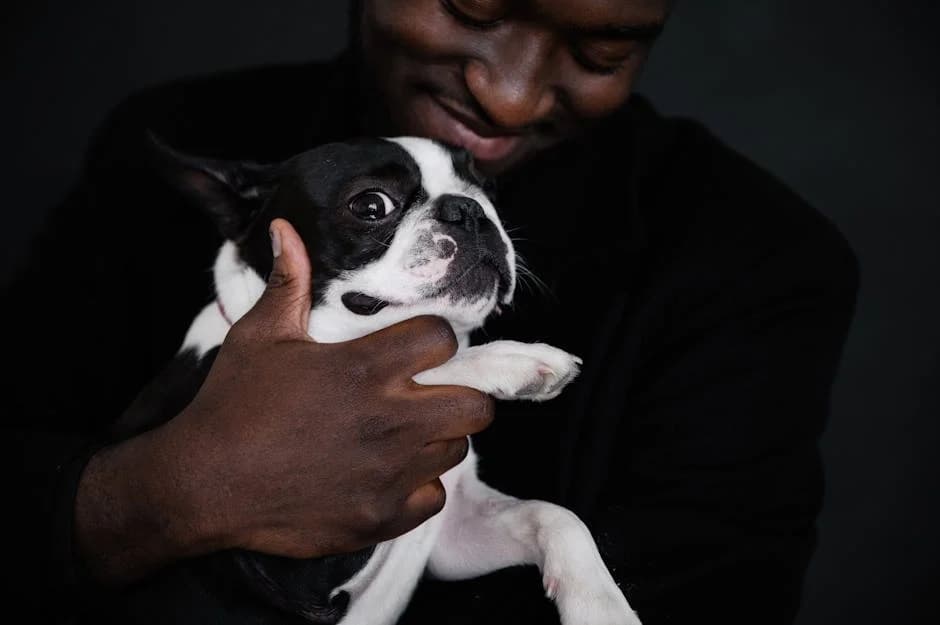
A multi-species guide to decoding your pet’s affection, backed by science and practical observation, with a love languages framework and troubleshooting for owners who feel unloved by their pet.
Every pet owner has wondered at some point: does my pet actually love me, or am I just the source of food and shelter? The question of how to tell if your pet loves you isn’t just sentimental,it taps into the deep science of cross-species bonding, where oxytocin and dopamine shape real emotional connections.
Across dogs, cats, rabbits, birds, and even pocket pets, affection shows up in subtle, species-specific ways that are easy to miss if you don’t know what to look for.
This guide takes a multi-species approach to decoding pet affection, blending research-backed insights with practical observation techniques. You’ll learn to recognize the love languages of different animals, distinguish genuine attachment from learned behaviors, and troubleshoot the moments when you feel your pet doesn’t care.
By the end, you’ll see your companion’s small gestures in a whole new light.
The Science of Pet Love: Oxytocin, Dopamine, and Bonding
Figuring out how to tell if your pet loves you often starts with understanding their brain chemistry. Scientists have identified two key hormones that drive bonding: oxytocin and dopamine.
These chemicals create feelings of trust and pleasure, and they spike during positive interactions with you. That warm rush you feel when your dog greets you at the door?
Your pet experiences a similar chemical cascade, proving that affection is a two-way street.
 Save
Save
Oxytocin, sometimes called the ‘love hormone,’ surges when dogs and their owners share mutual eye contact. A famous study found that gazing into each other’s eyes raised oxytocin levels in both species, creating a self-reinforcing bonding loop.
Cats, too, release oxytocin during gentle petting sessions, though they express it more subtly. For a deeper dive into feline affection, you might explore our guide on how cats communicate their love.
Dopamine, meanwhile, fuels the excitement your pet feels when you grab the leash or open a treat bag, but it’s the oxytocin that cements long-term attachment.
Pro Tip
Mutual eye contact with your dog triggers oxytocin release in both of you, a bonding loop that has nothing to do with food.
Understanding these chemical bonds helps you separate real affection from simple food motivation. While the underlying biology is similar across many pets, the outward signs vary wildly from species to species.
In the next sections, we’ll decode exactly how dogs, cats, and other animals show their love, so you can finally interpret those tail wags, slow blinks, and happy chirps with confidence.
How Dogs Say ‘I Love You’
If you’ve ever wondered how to tell if your pet loves you, dogs make it refreshingly obvious once you know what to look for. Their affection isn’t subtle,it’s woven into everyday moments, from the full-body lean against your legs to the ecstatic wiggle when you walk through the door.
Science backs this up: when a dog gazes into your eyes, both your oxytocin levels spike, the same hormone that bonds human parents to their babies. That’s not just attachment; it’s a biochemical love loop.
 Save
Save
Tail wagging tells a more nuanced story than most people realize. A happy dog wags more to the right side of their body when they see someone they adore, a subtle asymmetry researchers have linked to positive emotional states.
Other signs are harder to miss: your dog bringing you their favorite toy isn’t about play,it’s gift-giving from a creature who is naturally possessive. Even the seemingly mundane yawn becomes a love letter when your dog yawns right after you do, a contagious empathy response that’s strongest between bonded pairs.
Some of the deepest affection signals happen when your dog thinks you’re not watching. Checking in on you during a walk, glancing back to make sure you’re still there, reflects a pack-level trust.
Choosing to sleep in your bedroom,even if not on the bed,echoes wild canine behavior where only trusted family members share sleeping space. These quiet gestures are the real tell: your dog doesn’t just love you; they consider you essential to their safety and happiness.
Next, we’ll explore how cats express the same devotion in a completely different language.
How Cats Say ‘I Love You’
Learning how to tell if your pet loves you often starts with decoding the subtle signals cats use. Recognizing the signs your cat loves you requires patience and an eye for detail, because feline affection is rarely as overt as a dog’s wagging tail.
Unlike dogs, who wear their hearts on their paws, cats express love in quieter, more nuanced ways. A cat won’t bound across the room to greet you with sloppy kisses, but that doesn’t mean the love isn’t there.
It simply takes a different form, rooted in their solitary ancestry and intricate social rules.
 Save
Save
Subtle Body Language Signals
A slow blink from across the room is one of the most unmistakable signs of feline affection. In the cat world, closing their eyes in your presence signals complete trust , they feel safe enough to let their guard down.
If you return the slow blink and your cat reciprocates, you’re essentially exchanging ‘I love yous’ in their language. This behavior is so reliable that animal behaviorists often call it a ‘cat kiss.’
Head bunting and cheek rubbing serve a dual purpose: they mark you with scent glands located around their face, claiming you as part of their territory, but they also release feel-good pheromones that strengthen your bond. When a cat presses their forehead against you or rubs their cheek along your hand, they’re mixing their scent with yours, creating a shared family smell.
It’s a deeply affectionate gesture that says you belong to their inner circle.
Vocal and Physical Displays of Affection
Purring is the classic sound of a content cat, but it’s not always a sign of love , cats also purr when they’re in pain or stressed. However, when combined with kneading (that rhythmic pushing of paws against your lap), it’s a clear throwback to kittenhood.
Kneading mimics the motion kittens use to stimulate milk flow from their mother, and adult cats only perform it when they feel utterly safe and comforted. If your cat kneads you while purring, they’re essentially treating you like a beloved parent.
Cats also show love through gift-giving, though the ‘gifts’ , often a toy mouse or, less charmingly, a real one , can be unsettling. This behavior stems from their instinct to provide for their family group.
While cats bring prey, other pets have their own unique love offerings. Birds, for instance, may sing or regurgitate food as a sign of devotion.
To explore those behaviors, check out our guide on how birds express affection. If your cat follows you from room to room or curls up on your laptop while you work, they’re choosing to be near you , a powerful vote of confidence.
If your cat doesn’t display all these signs, don’t fret. Some cats are simply more reserved, and their love language might be as simple as sitting in the same room with you.
The key is to observe their unique patterns and appreciate the quiet moments of connection.
How Rabbits, Birds, and Small Pets Show Affection
Small pets often express love in ways that are easy to miss if you’re used to dogs or cats. Learning how to tell if your pet loves you becomes a matter of tuning into their unique body language and daily rituals.
These creatures may not bound across the room to greet you, but their subtle gestures are just as meaningful once you know what to look for.
Small Mammals: Rabbits, Guinea Pigs, and More
Rabbits demonstrate trust through a behavior called flopping, where they dramatically tip over onto their side. A rabbit that flops near you feels completely safe.
Binkying, a joyful leap with a mid-air twist, is another unmistakable sign your pet loves you and is happy in your presence. Gentle tooth purring while you pet them signals deep contentment, much like a cat’s purr.
However, not every approach is affection; some rabbits circle feet as a mating ritual rather than a loving gesture.
Pro Tip
Rabbit circling can be confusing. While some rabbits circle to greet you, persistent circling combined with honking often signals hormonal behavior, not love. Spaying or neutering usually resolves this, allowing true affectionate gestures to shine through.
 Save
Save
Guinea pigs have their own love language. A relaxed guinea pig will purr when stroked, similar to a rabbit’s tooth purr.
Popcorning, where they jump straight up like a kernel of popcorn, is pure excitement that often happens when you enter the room. Following your hand around the cage or wheeking softly are clear signs they associate you with safety and companionship.
Distinguishing these behaviors from simple food anticipation is key, and our guide on telling the difference between genuine affection and a treat-driven response can help you read the situation accurately.
Birds: Parrots and Beyond
Birds show affection through behaviors rooted in flock bonding. A parrot that preens your hair or gently nibbles your fingers is treating you like a mate or flock member.
Regurgitating food for you, while messy, is one of the highest compliments a bird can offer. Even smaller birds like budgies and cockatiels will perch on your shoulder, grind their beaks contentedly, or mimic your speech as a way of connecting.
These actions go beyond mere training; they reflect a genuine social bond.
Ultimately, recognizing how to tell if your pet loves you means embracing the quiet, species-specific ways they communicate. Each tiny gesture, from a bunny’s flop to a bird’s soft chirp, is a chapter in your shared story.
Once you start seeing these signs, you’ll never doubt the depth of their affection again.
Pet Love Languages: Understanding Your Pet’s Unique Style
Just like humans, pets express affection through distinct love languages, a concept popularized by Dr. Gary Chapman. Recognizing your pet’s unique style transforms how you interpret their behavior and strengthens your bond.
A dog that leans against your leg isn’t just seeking warmth,physical touch is their primary way of saying ‘I love you.’ A cat that brings you a toy might be using gift-giving as an act of service. Understanding these patterns helps you respond in ways that resonate deeply with your companion.
 Save
Save
Common Pet Love Languages
Each species tends to favor certain love languages, but individual personalities vary widely. Dogs often rely on physical touch and quality time, while cats may prefer acts of service like grooming or gift-giving.
Rabbits show affection through proximity and gentle nudges, and birds express love via vocal mimicry and shared meals. The table below breaks down how typical love languages manifest across common pets, giving you a quick reference to spot your own pet’s preferences.
| Love Language | Dog Example | Cat Example | Rabbit Example |
|---|---|---|---|
| Physical Touch | Leaning, licking, sleeping against you | Head bunting, kneading, curling on lap | Nudging, tooth purring, snuggling into your side |
| Quality Time | Following room to room, attentive staring | Sitting nearby, slow blinking, parallel play | Lounging in the same room, following you casually |
| Acts of Service | Bringing toys, guarding you, alert barking | Grooming you, delivering prey or toys | Chinning your belongings, rearranging hay near you |
| Gift-Giving | Retrieving items, offering prized possessions | Bringing dead insects or toys | Presenting a favorite stick or food item |
| Verbal Affirmation | Whining happily, specific barks for you | Purring, chirping, trilling | Honking, soft grunting when you appear |
These examples aren’t rigid categories,many pets blend two or three love languages. A parrot might offer a regurgitated snack (acts of service) while also demanding head scratches (physical touch).
Pay attention to what your pet initiates most often, especially when they’re relaxed and not seeking food or play. That spontaneous behavior is the clearest signal of their emotional style.
Identifying Your Pet’s Primary Love Language
Watch for the moments when your pet chooses to interact with you without any obvious reward. Does your cat follow you from room to room and settle nearby?
Quality time is likely their top love language. A rabbit that nudges your hand then flops beside you is blending physical touch and presence.
I’ve noticed my own dog values acts of service above all,she brings me her leash not just for walks, but as a gift when I’m sad. Noticing these patterns takes a few days of mindful observation, but the payoff is a relationship where your pet feels truly understood.
Love vs. Learned Behavior: Is It Real Affection?
Pet owners often wonder whether that enthusiastic greeting or cozy cuddle is genuine love or simply a conditioned response to food and comfort. The question cuts to the heart of how to tell if your pet loves you, because many behaviors we interpret as affection can indeed be shaped by rewards.
A dog that races to the door might be anticipating a treat, while a cat that kneads your lap may have learned that this behavior earns warmth and petting. Recognizing the difference requires looking beyond the surface and examining the context and consistency of the behavior.
 Save
Save
Distinguishing Genuine Affection from Conditioned Responses
True emotional attachment shows up in moments when there is no immediate payoff. A pet that seeks you out simply to be near you, even when you’re not offering food or play, is displaying something beyond operant conditioning.
For example, many dogs will follow their owners from room to room without any obvious reward, and cats often choose to sleep on a person’s chest even when a heated bed is available. These choices reflect a preference for your presence that isn’t easily explained by learned behavior alone.
Another key signal is your pet’s response to your emotional state,many animals will approach and offer comfort when you’re sad, a behavior that has no clear reinforcement history.
Scientific Evidence That Pets Feel Real Love
Research backs up what owners sense intuitively. Studies measuring oxytocin levels in both dogs and their humans show mutual spikes during eye contact and physical touch, mirroring the bonding mechanism between parents and infants.
This hormonal loop is not triggered by food rewards but by social interaction, suggesting a genuine emotional bond. Brain imaging studies further reveal that when dogs smell their owner’s scent, the reward centers of their brains light up in ways distinct from their response to food.
These findings make it clear that your pet’s affection is not just a trick of training,it’s rooted in neurobiology that supports real attachment. The next time your pet leans into you or rests their head on your lap, consider that the science points to something deeper than a simple transaction.
What If Your Pet Doesn’t Seem to Love You?
If you’ve been searching for how to tell if your pet loves you and coming up empty, you’re not alone. Many owners feel disappointed when their pet doesn’t shower them with obvious affection.
But the absence of a wagging tail or a purring snuggle doesn’t mean your pet doesn’t care. In fact, most animals express attachment through subtle, species-specific behaviors that are easy to overlook.
Common Mistake
Interpreting a pet’s reserved behavior as indifference. A cat who simply sits in the same room as you or a rabbit who flops onto its side is often showing deep trust and contentment. These quiet signals are their version of ‘I love you.’
Understanding Your Pet’s Perspective
 Save
Save
Different species have evolved unique ways to communicate safety and social bonds. A dog might lean against your leg, while a bird preens your hair.
If you’re expecting a golden retriever’s enthusiasm from a guinea pig, you’ll miss the gentle nose bumps and happy squeaks that signal affection. Past experiences also shape behavior.
A rescue animal may take months to feel secure enough to display vulnerability. Patience and observation are key.
How to Strengthen Your Connection
Building a stronger bond starts with meeting your pet on their terms. Learn their body language and respond in kind.
For a cat, try slow blinking. For a rabbit, sit quietly on the floor and let them approach you.
Consistent routines, gentle handling, and positive reinforcement create an environment where your pet feels safe to express love. Over time, you’ll notice the small gestures that mean everything: a chin rub against your hand, a soft chirp when you enter the room, or simply choosing to nap near you.
These are the authentic signs of a deep, trusting relationship.
Common Myths About Pet Affection Debunked
Myth: A Pet That Doesn’t Follow You Everywhere Doesn’t Love You
Many owners worry that if their pet isn’t a constant shadow, they aren’t truly bonded. But that’s not how affection works across species.
A cat who chooses to nap in the same room, even if it’s across the couch, is showing trust and comfort. Rabbits often express love by flopping down nearby, not by following.
The real way to tell if your pet loves you is to look for relaxed body language and proximity on their terms, not yours.
 Save
Save
Myth: Affection Is Just Food-Seeking Behavior
It’s easy to dismiss a nudge or a purr as a simple request for treats. But science shows that many affectionate behaviors happen without food present.
Dogs release oxytocin when gazing at their owners, even with no treat in sight. Parrots preen their favorite humans as a social bonding ritual, not because they’re hungry.
If you’re learning how to tell if your pet loves you, pay attention to moments of calm connection that have nothing to do with mealtime.
Understanding these myths helps you see the subtle, genuine ways your pet says ‘I love you’ every day. Next, let’s put it all together with a simple checklist to confirm your bond.
FAQ
Can all pets feel love like humans do?
Pets experience a form of attachment and affection that’s real but not identical to human romantic love. Their brains release oxytocin and dopamine during bonding moments, creating a deep sense of trust and companionship. So while it’s not the same cognitive experience, the emotional bond is genuine and powerful.
How long does it take for a pet to show love?
The timeline varies widely by species, personality, and past experiences. Some dogs bond within days, while cats or rescued animals might need weeks or months to fully trust you. Consistent gentle care and respecting their boundaries always speeds up the process.
What if my pet doesn’t seem affectionate at all?
Not all pets express love through cuddling or obvious gestures. A cat that simply sits in the same room, or a rabbit that flops near you, is showing deep trust. Look for subtle signs like relaxed body language, choosing to be near you, and calm behavior in your presence.
Is my pet just using me for food?
Food motivation is real, but it doesn’t cancel out affection. Many pets show clear preference for their owner’s company even when no food is involved, like following you around or seeking comfort during storms. True love and learned behavior often coexist, and you can distinguish them by watching how your pet acts when treats aren’t around.
Do small pets like hamsters or birds love their owners?
Yes, but in their own species-specific ways. A hamster that climbs onto your hand without fear, or a bird that preens your hair, is showing trust and social bonding. These animals don’t have the same facial expressions as dogs, so you need to learn their unique body language to see the affection.
How can I tell if my rescue dog is starting to love me?
Rescue dogs often show love through gradual relaxation and small gestures. Look for a wagging tail that’s loose and low, eye contact that’s soft rather than staring, and the dog choosing to rest near you. A major milestone is when they seek you out for reassurance during something scary, which signals they see you as a safe base.
Share this article


Staff Writer
adminRelated Articles


5 Colorful Towns in Portugal You Must Visit
Discover 5 colorful towns in Portugal hidden from tourist crowds. From Monsaraz to Piódão, explore vibrant villages with authentic local charm. Plan your trip now!

7 safest caribbean islands
Discover the 7 safest Caribbean islands with crime data, hurricane risk, and traveler-specific tips. Plan your secure vacation with confidence today!

Italy travel guide for families with kids
Traveling to Italy with children? Get expert tips on kid-approved attractions, stroller-friendly routes, and family hotels. Make unforgettable memories!

Italy Travel Guide
Plan your dream Italy trip with our ultimate guide. Insider tips, budget breakdowns, cultural dos and donts, month-by-month advice. Avoid tourist traps! Start planning.