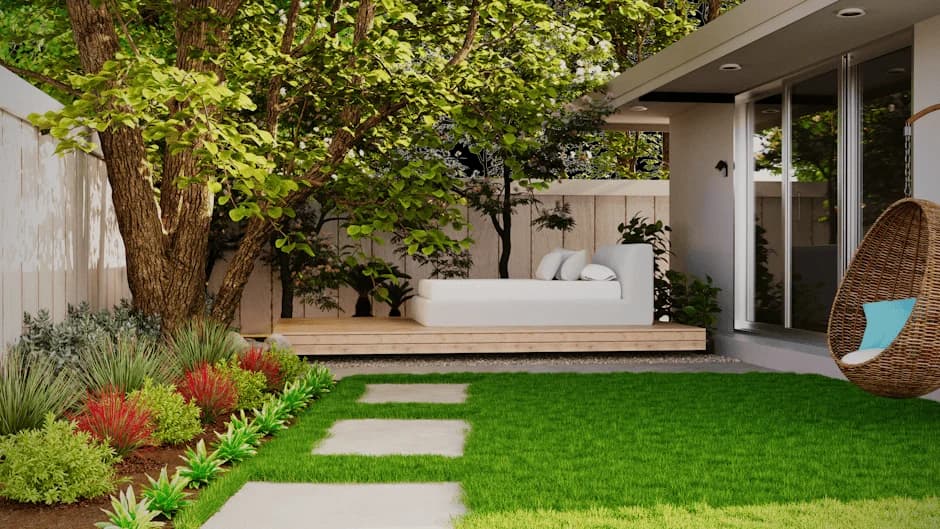
Data-driven home garden ideas: maximize value, avoid mistakes, and apply expert rules for every space and budget
Most home garden ideas fail not because they’re ugly, but because they ignore the data. You can spend a weekend and a small fortune on a project that looks great in photos but collapses by August, drains your budget, or simply doesn’t fit the space you actually have.
The difference between a garden that impresses and one that disappoints usually comes down to whether you followed expert-tested rules or just chased a pretty picture.
This guide cuts through the noise with data-driven home garden ideas that maximize your property’s value, sidestep the most expensive mistakes, and apply professional landscaping principles to any yard, balcony, or budget. You’ll find style breakdowns with visual examples, space-specific solutions for tricky spots, plant selection guides tied to real sun and soil conditions, seasonal task checklists, and the exact expert rules that landscape designers use to make gardens feel cohesive.
Whether you’re aiming for a weekend refresh or a full backyard transformation, the ideas ahead are built to last.
Garden Design Styles with Visual Examples
Choosing among the many home garden ideas starts with identifying a design style that matches your home’s architecture and your personal taste. A cohesive style does more than look good,it can increase your property’s curb appeal and even its market value.
Visual examples make it easier to see how different elements come together before you dig the first hole.
 Save
SaveCottage and Naturalistic Gardens
Cottage gardens overflow with color, mixing perennials, annuals, and edibles in a seemingly random but carefully planned layout. Plants like roses, lavender, and foxgloves create a romantic, lived-in feel that softens hard edges.
This style works especially well for smaller yards where you want every square foot to burst with life. A key trick is to plant in drifts of three or five to avoid a cluttered look.
Naturalistic gardens take inspiration from wild landscapes, using native plants and sweeping curves to mimic nature. They require less water and maintenance once established because the plants are adapted to local conditions.
For homeowners searching for low-water home garden ideas, this style delivers both beauty and resilience. Designers often layer grasses, perennials, and shrubs to create depth and movement.
Modern and Formal Designs
Modern garden design strips away the unnecessary, focusing on clean lines, geometric shapes, and a limited plant palette. Think mass plantings of ornamental grasses, boxwood hedges, and sleek hardscaping materials like concrete and steel.
For homeowners drawn to clean, minimalist backyard landscaping styles, this is a top choice. The approach pairs beautifully with contemporary architecture and creates a low-maintenance, high-impact outdoor space.
Formal gardens rely on symmetry, clipped hedges, and structured pathways to convey order and elegance. Parterre designs, gravel walks, and sculptural evergreens define the look.
While they demand more upkeep, formal gardens deliver a timeless sophistication that can elevate a property’s overall aesthetic. For a modern twist, you can soften the edges with a few billowy perennials.
Whichever direction you lean, blending elements from two styles often yields the most personal result. Just keep the transitions gradual and repeat a few key plants to tie everything together.
Applying a few expert gardening rules will help you avoid common pitfalls and make your home garden ideas work in real life.
Space-Specific Solutions: Small, Shady, and Sloped Gardens
Challenging garden shapes and light conditions don’t limit your options,they simply demand smarter design. A tiny courtyard, a perpetually shaded corner, or a steep hillside each present unique constraints that, when addressed creatively, can become the defining features of your landscape.
The right home garden ideas for these spaces focus on proportion, plant selection, and structural interventions that turn perceived weaknesses into assets.
 Save
SaveMaking the Most of Small and Shady Spaces
Vertical elements instantly multiply planting area without consuming precious square footage. Trellises, wall-mounted planters, and tiered shelving let you grow upward, while mirrors and light-colored surfaces bounce available light deeper into the garden.
In shady spots, foliage becomes the star,hostas, ferns, and heucheras offer texture and color that far outshine struggling sun-lovers. Pairing these with companion planting strategies ensures every inch works double duty, with groundcovers suppressing weeds and tall plants creating dappled shade for understory species.
Scale matters enormously in compact gardens. Oversized furniture or a single massive shrub can overwhelm the space, while too many tiny elements create visual clutter.
Instead, choose a few medium-sized specimens with distinct forms and repeat them to establish rhythm. A small water feature or a carefully placed bench draws the eye and makes the garden feel like a destination rather than an afterthought.
Taming Sloped Terrain
Slopes introduce erosion and accessibility headaches, but they also offer dramatic elevation changes that flat yards can’t match. Terracing is the most effective solution, converting a single unworkable incline into a series of flat, usable planting beds.
Retaining walls built from stone, timber, or concrete block hold back soil and create natural planting pockets. When designed properly, terracing can reduce soil erosion by as much as 80%, keeping nutrients where plants need them.
Plant selection on a slope must prioritize root systems that bind soil. Deep-rooted perennials like coneflowers, switchgrass, and creeping phlox stabilize the ground while adding seasonal color.
Avoid plants that require frequent division or loose, shallow roots that wash away in heavy rain. For extremely steep areas, consider a rock garden with alpine plants that thrive in fast-draining conditions, turning a maintenance nightmare into a low-care feature.
Common Mistake
Many gardeners on slopes skip drainage planning. Without a gravel layer behind retaining walls and a slight backward tilt, water pressure builds and walls fail within a few seasons. Always include weep holes or a French drain to direct water away.
Every awkward garden shape contains an opportunity hiding in plain sight. By matching the solution to the specific challenge,vertical growth for small spaces, shade-tolerant foliage for dim corners, and structural terracing for slopes,you create a garden that feels intentional rather than compromised.
The next step is choosing the right plants for your particular light and soil conditions, which we’ll explore in detail.
Plant Selection Guides by Sun Exposure and Soil Type
Smart home garden ideas start with matching plants to your yard’s specific conditions. Many gardeners lose time and money by ignoring sunlight patterns and soil composition, two variables that determine whether a plant thrives or barely survives.
A data-driven approach means observing your space objectively before you buy a single seedling.
Pro Tip
Even in a small yard, sun exposure can vary by several hours. Use a sun calculator or observe shadows at 9 a.m., noon, and 3 p.m. to map your garden’s true light conditions before planting.
 Save
SaveMatching Plants to Sunlight Conditions
Sunlight isn’t just about full sun versus shade. The intensity and duration of light change with the seasons, and even a few feet can shift a spot from part sun to deep shade.
Start by tracking how many hours of direct light each garden area receives during the growing season. Areas with six or more hours of direct sun support sun-lovers like lavender, coneflowers, and tomatoes.
Spots with three to six hours of dappled or morning sun are ideal for part-shade performers such as astilbe, heuchera, and many hydrangeas.
Full-shade areas, which get less than three hours of direct sun, demand plants that evolved on forest floors. Ferns, hostas, and bleeding hearts handle low light but still need rich, moisture-retentive soil to look their best.
Ignoring these light tiers is one of the fastest ways to waste money on plants that will never reach their potential.
Choosing Plants for Your Soil Type
Soil type dictates how water, air, and nutrients move around roots. Sandy soils drain quickly and warm up early, making them great for Mediterranean herbs and succulents but challenging for moisture-loving plants.
Clay soils hold nutrients well but can suffocate roots if drainage is poor. The best home garden ideas work with your native soil rather than fighting it.
Amend clay with compost to improve structure, and add organic matter to sandy soil to boost water retention.
For example, well-chosen perennials that suit your soil can increase curb appeal and even contribute to your property’s overall value,something to consider if you’re planning long-term backyard ROI. Loamy soil, the ideal mix of sand, silt, and clay, supports the widest range of plants, but even challenging soils can host a beautiful garden if you select species adapted to those conditions.
| Plant | Sun Exposure | Soil Type | Why It Works |
|---|---|---|---|
| Lavender | Full sun | Well-drained, sandy | Drought-tolerant, fragrant |
| Hosta | Full shade | Moist, rich | Lush foliage for dark corners |
| Black-eyed Susan | Full sun | Adapts to most soils | Long-blooming native |
| Astilbe | Part shade | Moist, humus-rich | Feathery plumes in summer |
| Sedum | Full sun | Dry, poor soil | Succulent leaves, low maintenance |
Once you’ve chosen the right plants for your light and soil, timing their care becomes the next critical step. A seasonal task calendar keeps your garden productive without last-minute scrambling.
Seasonal Task Calendar for Home Gardens
A well-planned seasonal task calendar turns scattered home garden ideas into a reliable rhythm. Knowing exactly what to do each month keeps your outdoor space productive and beautiful without last-minute scrambling.
 Save
SaveSpring and Summer Tasks
Spring demands a burst of activity. Start by cleaning up debris, sharpening tools, and testing your soil.
Early planting of cool-season vegetables like peas and spinach can begin as soon as the ground is workable. For perennials, divide overcrowded clumps to rejuvenate growth and expand your garden beds.
Pro Tip
Pruning at the wrong time is the number one reason flowering shrubs fail to bloom. Always prune spring-flowering shrubs right after they finish blooming, and summer-flowering shrubs in late winter while dormant.
Summer shifts to maintenance mode. Mulch heavily to retain moisture and suppress weeds, and set up a consistent watering schedule, ideally in the early morning.
Deadheading flowers encourages continuous blooms, while harvesting vegetables regularly keeps plants productive. This is also the time to monitor for pests and diseases, catching problems early before they spread.
Fall and Winter Tasks
Fall is for planting and preparation. Cooler temperatures make it ideal for installing trees and shrubs, as roots establish without heat stress.
Plant spring-blooming bulbs like tulips and daffodils, and clean up spent annuals. Implementing these home garden ideas in fall sets the stage for a spectacular spring.
Winter offers a quieter pace, but important tasks remain. Use this season to plan next year’s garden layout, order seeds, and maintain tools.
On mild days, prune dormant trees and shrubs, and check stored bulbs and tubers for rot. Adjust your seasonal planting calendar for your zone to account for microclimates in your yard.
| Season | Key Tasks | Timing Tip |
|---|---|---|
| Spring | Cleanup, soil prep, cool-season planting, dividing perennials | Wait until soil is dry enough to crumble, not clump |
| Summer | Mulching, watering, deadheading, pest monitoring, harvesting | Water deeply and less frequently to encourage deep roots |
| Fall | Planting trees/shrubs, bulbs, lawn aeration, final feeding | Plant bulbs at a depth three times their height |
| Winter | Planning, seed ordering, tool maintenance, dormant pruning | Prune on a mild day when temperatures stay above freezing |
Low-Maintenance and Budget-Friendly Ideas
Creating a stunning garden doesn’t require a massive budget or endless weekends of labor. Smart home garden ideas focus on plants and techniques that practically take care of themselves while delivering high visual impact.
The key lies in matching low-maintenance species to your local conditions and using clever DIY solutions that look expensive but cost very little.
Low-Maintenance Plant Choices
Perennials like sedum, lavender, and ornamental grasses return year after year with minimal fuss, slashing replanting costs and weeding time. Native plants are another powerhouse for low-budget home garden ideas because they evolved in your climate and rarely need extra water or fertilizer once established.
Grouping plants with similar water and light needs further reduces maintenance, preventing the constant micro-management that burns out weekend gardeners.
Many avoidable landscaping mistakes stem from choosing high-maintenance plants that don’t fit the space, which leads to expensive replacements and frustration. Instead, lean on groundcovers like creeping thyme or ajuga to smother weeds naturally and eliminate the need for endless mulching.
A well-chosen palette of resilient plants can cut your weekly garden chores in half while keeping the yard looking polished.
Budget-Friendly DIY Projects
Hardscaping and decor often eat up the biggest chunk of a garden budget, but you can replicate high-end looks with recycled materials and a little creativity. Gravel pathways, pallet wood planters, and homemade trellises from bamboo or branches all deliver structure without the sticker shock.
These home garden ideas shift the focus from expensive store-bought items to personal craftsmanship that adds unique character.
Even small touches like painted cinder block planters, thrifted containers, or a DIY water feature from a galvanized tub can transform a space. The trick is to tackle one project at a time and let materials you already have guide the design.
Over time, these layered, handmade elements create a garden that feels curated and expensive without the associated price tag.
Eco-Friendly Practices with Measurable Impact
Eco-friendly home garden ideas often sound noble but vague until you attach real numbers to them. The difference between a garden that feels green and one that actually reduces resource use comes down to measurable changes in water consumption, soil health, and waste diversion.
Tracking even one of these metrics transforms good intentions into a data-driven upgrade.
 Save
SaveWater-Wise Gardening
Switching to drip irrigation or soaker hoses instead of overhead sprinklers can cut water use by 30 to 50 percent, according to university extension trials. Pair that with a simple rain gauge and you will know exactly how much supplemental water your plants actually need.
Grouping plants with similar thirst levels, a practice called hydrozoning, prevents overwatering and underwatering in the same bed.
Pro Tip
A 2-3 inch layer of organic mulch can cut water evaporation by up to 70%, meaning less frequent watering and healthier plants.
Soil Health and Composting
Building soil organic matter from 1 percent to 3 percent increases its water-holding capacity by roughly 20,000 gallons per acre, a number that scales down meaningfully even in small beds. Incorporating compost also diverts kitchen scraps from landfills, where they would generate methane.
For vegetable growers, optimizing plant spacing further reduces competition for nutrients and water, boosting yield without extra inputs. Tracking compost weight or measuring soil organic matter annually gives you a clear return on your effort.
Common Landscaping Mistakes and How to Avoid Them
Even the most creative home garden ideas can fall flat if you overlook basic landscaping principles. Many homeowners dive into planting without considering how their choices will look or function a year later.
Overcrowding, mismatched plant sizes, and ignoring microclimates are among the most frequent errors I see. The good news is that most of these mistakes are easy to avoid once you know what to look for.
A little upfront planning can save you from costly re-dos and disappointment.
 Save
SaveMisjudging Plant Placement and Spacing
When you’re sketching out home garden ideas, it’s tempting to pack in as many plants as possible. But misjudging light and spacing leads to disappointment.
I’ve watched gardeners plant sun-loving tomatoes under a dense tree canopy and wonder why they never ripen. Similarly, ignoring mature plant size creates a jungle within two seasons.
Always check the plant tag for light requirements and expected spread. A good rule of thumb is to space plants based on their mature width, not their nursery size.
This single adjustment transforms a chaotic bed into a balanced composition.
Overlooking Soil Health and Drainage
Another common pitfall is treating soil as an afterthought. Your home garden ideas will struggle no matter how pretty the layout if the soil is compacted or nutrient-poor.
I’ve seen expensive perennials fail because the clay subsoil was never amended. Before planting, test drainage by digging a hole and filling it with water; if it drains slower than an inch per hour, you need to improve it.
Adding organic matter like compost builds the loose, fertile structure roots crave. This step alone often separates thriving gardens from struggling ones.
Recognizing these common landscaping mistakes early keeps your project on track and your budget intact. Instead of rushing to fill space, take time to observe how light and water move through your yard.
The next section covers expert gardening rules that will give your design a professional edge.
Expert Gardening Rules You Need to Know (70/30, Rule of 3, 3-Hour Rule)
Professional landscapers rely on a handful of design principles that separate thriving gardens from chaotic ones. Applying just three rules can instantly elevate any home garden ideas, turning a patchwork of plants into a unified outdoor room.
These aren’t abstract theories; they’re field-tested guidelines that save time, reduce maintenance, and increase curb appeal.
 Save
SaveThe 70/30 rule dictates that about 70% of your garden should be planted space and 30% hardscape or open area. This ratio creates visual breathing room and prevents the garden from feeling cluttered.
I’ve walked through countless backyards where too much paving or decking made the space feel sterile. Keeping plantings dominant ensures that even small plots feel lush, while the hardscape provides necessary structure for paths, seating, or water features.
Grouping plants in odd numbers, especially threes, mimics how plants cluster in nature. A single specimen often looks lonely, while pairs create a static, formal line.
Three of the same perennial or shrub form a natural-looking drift that draws the eye. This rule applies to containers, border plantings, and even accent trees.
For home garden ideas that feel effortlessly beautiful, the rule of three is the simplest trick with the biggest payoff.
The 3-hour rule is a reality check for maintenance expectations. A well-designed garden should require no more than three hours of upkeep per week to look its best.
If you’re spending every Saturday battling weeds and pruning, the design is working against you. Choose plants suited to your climate, mulch heavily, and group high-maintenance specimens near water sources.
Many gardeners overestimate their available time; this rule forces you to design for your actual lifestyle, not a fantasy.
Companion Planting: What to Grow Together and What to Avoid
Companion planting turns your home garden ideas into a working ecosystem where plants support each other naturally. Certain pairings improve flavor, deter pests, and even boost yields without extra chemicals.
I’ve seen basil transform the taste of my tomatoes and marigolds keep nematodes away from my beans. Data backs this up: intercropping studies show yield increases of 20% or more when you pair the right species.
 Save
SaveBeneficial Plant Pairings
The most effective home garden ideas start with proven companions. These pairings have stood the test of time and science.
| Vegetable | Best Companion | Benefit |
|---|---|---|
| Tomato | Basil | Repels whiteflies, improves flavor |
| Carrot | Onion | Onion scent masks carrot from carrot fly |
| Corn | Beans | Beans fix nitrogen, corn supports climbing |
| Cucumber | Nasturtium | Repels cucumber beetles and aphids |
Tomatoes and basil are the classic duo. Research from the University of California found that basil interplanted with tomatoes can reduce whitefly populations by nearly 40%.
Meanwhile, the three sisters method,corn, beans, and squash,is a Native American technique that maximizes space and soil fertility. Beans fix nitrogen, corn provides a natural trellis, and squash shades out weeds.
Incorporating these relationships into your garden planning cuts down on maintenance and boosts harvests. Try at least one of these pairings this season and watch the difference.
Combinations to Avoid
Some plants simply don’t get along. Ignoring these antagonistic relationships can stunt growth or ruin flavor.
Pro Tip
Don’t plant dill near carrots. Dill can cross-pollinate with carrots, leading to bitter, off-flavor roots. Keep them at least 20 feet apart.
Fennel is notorious for inhibiting almost everything,keep it in a pot far from your vegetable beds. Potatoes and tomatoes both belong to the nightshade family and compete for the same nutrients while sharing blight susceptibility.
Walnut trees release juglone, a chemical that wilts tomatoes, peppers, and eggplants. Avoid planting these near black walnut roots.
Spacing and segregation are just as important as pairing, so map out your garden layout before you dig. A little planning now saves you from pulling up bitter carrots or stunted peppers later.
The ROI of Backyard Features: What Pays Off
Understanding the return on investment for various backyard features transforms how you approach home garden ideas. A beautiful garden brings joy, but some upgrades also boost your property’s resale value significantly.
Data from real estate studies shows that well-planned outdoor living spaces can deliver returns that rival indoor renovations. Knowing which projects pay off helps you allocate your budget wisely.
 Save
SaveMonetary Return on Investment
Hardscaping elements like decks, patios, and outdoor kitchens often top the list for financial payback. A wooden deck, for example, typically recoups around 70% of its installation cost upon resale, while a stone patio might return closer to 50%.
Even professional landscaping can yield over 100% ROI by enhancing curb appeal and making the home more attractive to buyers. When evaluating garden investments, it’s helpful to compare these common upgrades.
| Feature | Average Cost | ROI % | Resale Value Impact |
|---|---|---|---|
| Wooden Deck | $15,000 | 70% | $10,500 |
| Stone Patio | $8,000 | 50% | $4,000 |
| Professional Landscaping | $5,000 | 100%+ | $5,000+ |
| Outdoor Kitchen | $20,000 | 55% | $11,000 |
Lifestyle Return on Investment
Beyond dollars and cents, the lifestyle ROI of your home garden ideas matters just as much. A fire pit area that hosts weekly family gatherings or a vegetable patch that supplies fresh produce all summer delivers value no appraisal can measure.
These features improve daily life, reduce stress, and create lasting memories. Weighing both financial and personal returns ensures your backyard becomes a space that truly pays off in every sense.
Seasonal Planting Calendar by USDA Zone
A seasonal planting calendar removes the guesswork from deciding when to sow seeds or transplant seedlings. For home garden ideas that actually boost yields, aligning your planting schedule with your USDA hardiness zone is essential.
These zones, defined by average minimum winter temperatures, dictate which plants survive and when they thrive. Without this knowledge, even the best garden design can fail because timing was off by just a few weeks.
 Save
SaveMost calendars break the year into cool-season and warm-season planting windows. For example, in Zone 6, you can start peas and spinach as early as mid-March, while tomatoes and peppers wait until after the last frost in mid-May.
The table below provides a quick reference for several zones, but always check your local extension office for hyper-local adjustments.
| USDA Zone | Average Last Frost | Spring Planting Window |
|---|---|---|
| Zone 5 | Late April | April 15 – May 15 |
| Zone 6 | Mid-April | April 1 – May 1 |
| Zone 7 | Early April | March 15 – April 15 |
| Zone 8 | Mid-March | March 1 – April 1 |
Gardeners often make the mistake of planting by the calendar date alone, ignoring soil temperature. Seeds won’t germinate if the soil is too cold, regardless of what the calendar says.
A soil thermometer is a cheap tool that can save you weeks of frustration.
Pro Tip
Don’t rely solely on calendar dates. Soil temperature is the real trigger for seed germination. Invest in a soil thermometer and wait until the soil reaches at least 50°F for cool-season crops and 60°F for warm-season ones.
These home garden ideas, grounded in zone-specific timing, will keep your garden productive from early spring through late fall.
Symbolic Plants: Flowers That Say ‘I Love You’
Flowers have carried secret messages for centuries, and weaving that tradition into your home garden ideas transforms an ordinary planting bed into a personal love letter. Red roses are the classic symbol of passion, but a thoughtful gardener can layer meanings by choosing blooms that speak directly to a partner’s personality.
Tulips, for instance, signal a declaration of love, while forget-me-nots promise true remembrance. The trick is to avoid overloading the space with clashing colors; a restrained palette of two or three symbolic varieties reads more clearly than a chaotic mix.
 Save
SaveFrom experience, the most successful symbolic gardens place the tallest statement flowers, like a cluster of ‘Mister Lincoln’ roses, at the back of a border, then step down to mid-height tulips and a front edge of forget-me-nots. This creates a visual narrative that unfolds as you walk past.
A common mistake is planting just one symbolic stem, which gets lost in the greenery. Group at least three of each variety together so the message holds weight.
The scent of roses combined with the delicate blue of forget-me-nots also triggers a sensory memory that reinforces the emotional intent.
Timing the bloom sequence is another layer of thoughtful garden design. Choose early, mid, and late-season cultivars so the love message stays alive from spring through fall.
For example, pair early tulips with summer roses and late-blooming asters that symbolize patience and devotion. This kind of layered planning turns a basic home garden into a space that communicates love across the seasons, rewarding both the giver and the receiver with a living, evolving tribute.
FAQ
How often should I water my home garden?
Most gardens need about 1 inch of water per week, but that can vary with soil type and weather. Stick your finger two inches into the soil,if it feels dry, it’s time to water. Morning watering reduces evaporation and helps prevent fungal diseases.
What’s the fastest way to improve poor garden soil?
Add 2-3 inches of compost and work it into the top 6 inches of soil. This boosts organic matter, which improves drainage in clay and water retention in sandy soil by up to 20%. For a quicker fix, use well-aged manure or a balanced organic fertilizer.
Which vegetables should I avoid planting next to each other?
Tomatoes and potatoes both attract blight, so keep them apart. Onions can stunt beans and peas, and fennel inhibits almost everything. Check a companion planting chart for your specific crops to avoid hidden conflicts.
How do I keep pests away without chemicals?
Encourage beneficial insects like ladybugs and lacewings by planting dill, fennel, or yarrow. Row covers physically block pests, and a strong spray of water knocks aphids off plants. Neem oil works as a last resort, but always test on a few leaves first.
What are some low-maintenance home garden ideas for beginners?
Start with a small raised bed or a few large containers filled with quality potting mix. Choose foolproof plants like cherry tomatoes, basil, and marigolds. Mulch heavily to suppress weeds and retain moisture, cutting your weekly chores in half.
Share this article


Staff Writer
adminRelated Articles


5 Colorful Towns in Portugal You Must Visit
Discover 5 colorful towns in Portugal hidden from tourist crowds. From Monsaraz to Piódão, explore vibrant villages with authentic local charm. Plan your trip now!

7 safest caribbean islands
Discover the 7 safest Caribbean islands with crime data, hurricane risk, and traveler-specific tips. Plan your secure vacation with confidence today!

Italy travel guide for families with kids
Traveling to Italy with children? Get expert tips on kid-approved attractions, stroller-friendly routes, and family hotels. Make unforgettable memories!

Italy Travel Guide
Plan your dream Italy trip with our ultimate guide. Insider tips, budget breakdowns, cultural dos and donts, month-by-month advice. Avoid tourist traps! Start planning.