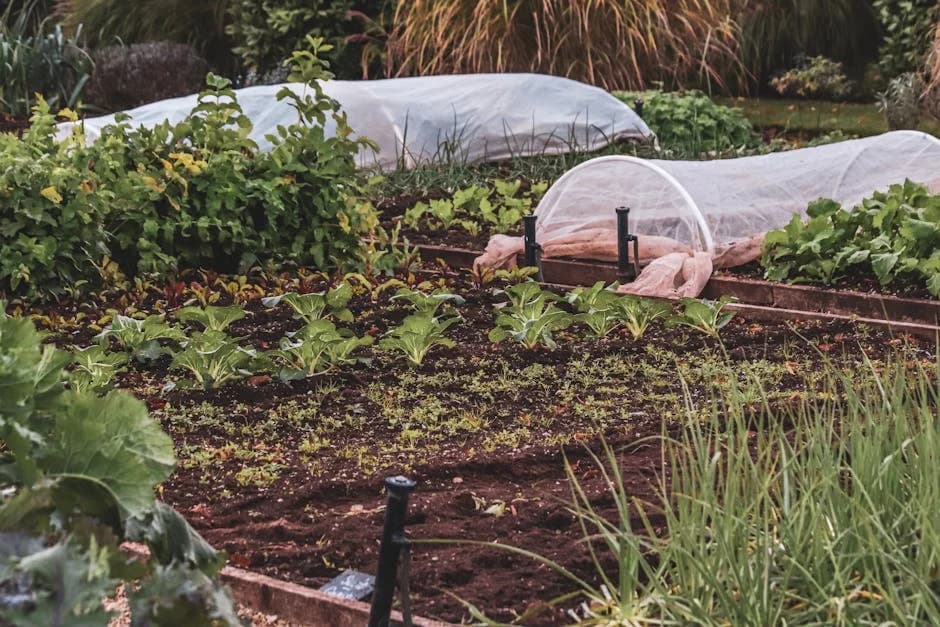
Comprehensive resource for companion planting, including antagonistic pairs, benefits, and layout strategies.
Every gardener eventually stumbles onto the same quiet truth: some plants just get along better than others. A well-placed marigold can shield your tomatoes from nematodes, while a row of beans beside corn feels like an ancient pact between roots and soil.
This companion planting guide pulls together the science, the folklore, and the hard-won field notes you need to turn your garden into a cooperative ecosystem rather than a collection of strangers.
You will find more than just the classic tomato-and-basil pairing here. We dig into antagonistic pairs that stunt growth, layout strategies for tight spaces, and even the symbolic flowers that whisper ‘I love you’ through their companion choices.
Whether you are working with a sprawling backyard or a balcony container, the principles ahead will help you design a garden where every plant pulls its weight.
What is Companion Planting? (Data and Benefits)
Companion planting is a strategic gardening method where different plant species are grown close together for mutual benefit. This practice moves beyond simple aesthetics or space-saving.
It leverages natural relationships between plants to improve growth, deter pests, and enhance flavor. The core idea is that certain plants, when paired, create a more resilient and productive garden ecosystem.
The Science Behind Companion Planting
Scientists have documented several mechanisms that make these plant partnerships work. One well-known example is the Three Sisters method used by Indigenous peoples, where corn provides a structure for beans to climb, beans fix nitrogen in the soil to feed the corn and squash, and large squash leaves shade the ground to suppress weeds and retain moisture.
This is not just folklore; research confirms that nitrogen transfer between legumes and non-legumes can be significant in low-input systems.
Another scientific pillar involves allelopathy, where plants release biochemicals that influence the growth of neighbors. Some plants, like marigolds, emit compounds that suppress nematodes in the soil, acting as a natural pest control.
Others, such as aromatic herbs, can mask the scent of target crops, confusing pests like carrot flies or cabbage moths. Understanding these interactions allows you to design a garden that works with nature rather than against it.
Measurable Benefits in Your Garden
Gardeners who adopt companion planting often see a reduction in pest damage without relying on synthetic sprays. For instance, studies have shown that intercropping tomatoes with basil can reduce thrip populations.
Beyond pest control, the practice can lead to higher yields per square foot because plants occupy different root zones and light levels. A well-planned layout, as part of a broader set of home garden ideas, can nearly double the productivity of a small plot.
Flavor enhancement is a more anecdotal but widely reported benefit. Many growers swear that basil planted near tomatoes improves their taste, and chamomile paired with cabbages results in a sweeter harvest.
While hard data is limited, the stress reduction from a balanced ecosystem likely allows plants to express their full genetic potential. The cumulative effect is a garden that is healthier, more productive, and far more interesting to tend.
Best Companion Plant Pairs (Vegetables, Herbs, Flowers)
Choosing the right plant partners can mean the difference between a struggling garden and an abundant harvest. In this companion planting guide, we’ll focus on the most reliable, time-tested pairings that experienced gardeners swear by.
While many plants thrive together, some actively harm each other, so understanding antagonistic plant combinations is just as important as knowing the best allies. The pairs below are selected for their proven benefits, from pest control to improved flavor and space efficiency.
 Save
SaveTop Vegetable Companion Pairs
Tomatoes and basil are the poster children of companion planting, and for good reason. Basil repels thrips and tomato hornworms while some studies suggest it may improve the flavor of nearby tomatoes.
Marigolds planted around tomatoes release a chemical from their roots that deters nematodes, making them a powerful underground ally. The classic “Three Sisters” trio of corn, beans, and squash works because each plant provides structural support, nitrogen fixation, and ground cover respectively.
Carrots and onions make another smart pairing because the strong scent of onions confuses carrot flies, reducing root damage. Similarly, leeks planted near carrots can mask the carrot’s aroma from pests.
Cucumbers benefit from nasturtiums, which act as a trap crop for aphids, drawing them away from the main crop. These companion planting strategies aren’t just folklore.
They’re backed by observable garden results and, in many cases, agricultural science.
| Vegetable | Best Companions | Key Benefit |
|---|---|---|
| Tomatoes | Basil, Marigolds | Pest repellent, nematode control |
| Carrots | Onions, Leeks | Confuses carrot fly |
| Corn | Beans, Squash | Three Sisters support system |
| Cucumbers | Nasturtiums | Aphid trap crop |
| Peppers | Basil, Oregano | Growth improvement, pest deterrence |
Herb and Flower Allies That Boost Your Garden
Herbs like dill and chamomile attract beneficial insects such as ladybugs and parasitic wasps that prey on common pests. Integrating these herb companions into your companion planting layout can dramatically reduce pest pressure.
Dill, when allowed to flower, becomes a magnet for pollinators and pest predators alike, making it a valuable companion for brassicas and cucumbers. Chamomile is often called the “plant doctor” because it seems to improve the health of nearby plants, possibly through root exudates that stimulate growth.
Flowering companions like calendula and sweet alyssum bring more than beauty. Calendula attracts hoverflies, whose larvae devour aphids, while sweet alyssum provides a living mulch that suppresses weeds and retains soil moisture.
Marigolds, already mentioned with tomatoes, are so effective at nematode control that they’re often interplanted throughout vegetable beds. Integrating these allies turns your garden into a self-regulating ecosystem.
{{SECTION_03_CALLOUT_1}}
Companion planting is a cornerstone of resilient gardening, but it’s only one piece of the puzzle. Next, we’ll examine the combinations you must avoid at all costs, because even one bad pairing can undo the work of a dozen good ones.
Plants That Should Never Be Planted Together (Antagonistic Pairs)
Not all plants play nicely in the garden. Some release chemicals through their roots or leaves that stunt the growth of their neighbors, while others compete so aggressively for the same nutrients that neither thrives.
Understanding these antagonistic relationships is just as critical as knowing which plants benefit each other. Following a few expert gardening rules can save you from stunted harvests and wasted effort.
 Save
SaveTake tomatoes and fennel, for example. Fennel exudes a substance that inhibits the growth of almost everything around it, but tomatoes are particularly sensitive.
Beans and onions are another classic mismatch: onions release compounds that can slow bean growth and even reduce germination rates. Carrots and dill may seem harmless together, but dill can cross-pollinate with carrots, causing the roots to turn bitter and misshapen.
The table below highlights a few more combinations you’ll want to keep far apart.
| Plant | Avoid Planting Near | Reason |
|---|---|---|
| Tomatoes | Fennel | Fennel releases allelopathic chemicals that stunt tomato growth |
| Beans | Onions, Garlic | Alliums inhibit bean root development and nitrogen fixation |
| Carrots | Dill, Parsnips | Cross-pollination ruins flavor; shared pests increase damage |
Spacing alone won’t always fix these conflicts. If you’re designing a new bed, sketch out where each plant will go before you dig.
Even a few feet of separation can make a difference, but in small spaces, it’s often smarter to choose allies over adversaries.
How to Use the Rule of 3 in Companion Planting
Mastering companion planting requires more than just pairing plants. The rule of 3 is a game-changer.
This strategy layers three different plants together, each serving a distinct role that supports the others. A classic combination includes a nitrogen fixer, a pest repellent, and a structural support plant.
Together they create a miniature ecosystem that improves soil health, reduces pest pressure, and maximizes space.
 Save
SaveApplying the rule of 3 to your companion planting efforts starts with identifying a primary crop you want to protect or boost. For example, if you’re growing tomatoes, you might add basil to repel pests and borage to attract pollinators.
The key is to select plants that don’t compete for the same nutrients or root space. You’ll also want to consider mature plant sizes and growth habits, which is where optimizing plant spacing for higher yields becomes critical.
Even the best trio will underperform if they’re crowded or shaded out.
Pro Tip
For the best results, always include a nitrogen-fixing plant like beans, a pest-repelling plant like marigolds, and a structural plant like corn or sunflowers. This trio covers the three essential functions and works in almost any garden.
Experimenting with the rule of 3 can transform a chaotic garden into a resilient, high-yielding system. Start with one bed and observe how the plants interact over a full season.
You’ll quickly learn which combinations thrive in your specific climate and soil. Once you’ve mastered this approach, you’ll be ready to design more complex companion planting layouts for your entire garden.
Symbolic Plants: Flowers That Say ‘I Love You’ (and Their Companions)
Flowers have carried secret messages of love for centuries, and planting them in your garden lets you speak that language every day. These romantic blooms aren’t just pretty faces,they fit beautifully into a companion planting strategy.
Many classic ‘I love you’ flowers attract pollinators, repel pests, or improve the vigor of nearby vegetables and herbs.
 Save
Save| Flower | Symbolic Meaning | Companion Plants |
|---|---|---|
| Rose | Romantic love | Lavender, geraniums |
| Lavender | Devotion | Roses, echinacea |
| Tulip | Perfect love | Daffodils, grape hyacinths |
| Sunflower | Adoration | Cucumbers, pole beans |
Pairing roses with lavender, for example, creates a fragrant, aphid-resistant duo that looks as good as it performs. Tulips and daffodils bloom together in early spring while sharing similar soil needs, and sunflowers tower over cucumbers, offering shade and support.
Weaving these love-themed flowers into your companion planting guide gives you a garden that nourishes both the heart and the soil. Ready to map out your own romantic plot?
The next section covers small-space layouts that make every inch count.
Companion Planting Layouts for Small Spaces
Maximizing every square inch matters when garden space is tight. A well-planned companion planting guide turns a tiny plot into a powerhouse of productivity.
Instead of growing single crops in rows, you layer plants that support each other vertically and below ground. This approach reduces competition for light, water, and nutrients while boosting natural pest control.
 Save
SaveVertical Companion Planting
Tall, climbing plants create living trellises for shade-tolerant companions underneath. Pole beans fix nitrogen at the roots while their vines climb corn stalks, and sprawling squash below shades out weeds.
Sunflowers act as sturdy supports for cucumbers, and the cucumber leaves keep the soil cool. In really cramped spaces, attach a simple trellis to a container and train indeterminate tomatoes upward, then tuck basil and marigolds at the base.
Basil improves tomato flavor and repels whiteflies, while marigolds deter nematodes.
Intensive Square Foot and Container Layouts
Square foot gardening slots companions into a grid so no soil goes bare. Pair quick-maturing radishes with slower carrots,the radishes loosen the soil and are harvested before carrots need the room.
Lettuce thrives in the partial shade of taller peppers, and chives planted nearby discourage aphids. For containers, combine a central tomato with trailing oregano and a ring of dwarf French marigolds.
The oregano acts as a living mulch, and all three share similar water needs. Test different arrangements each season; you will quickly see which combinations yield the healthiest plants in your unique microclimate.
FAQ
What is the easiest companion planting combination for beginners?
Tomatoes and basil are the classic starter pair. Basil may help repel certain pests while enhancing tomato flavor, and they share similar sun and water needs. Lettuce and carrots also work well because the lettuce shades the soil, keeping carrot roots cool.
Can I use companion planting in containers?
Absolutely. Choose compact varieties and follow the same spacing principles you would in a garden bed. A single large pot can host a tomato plant, basil, and a few marigolds, creating a mini ecosystem on a balcony or patio.
Are there any plants that harm each other even if they look good together?
Yes, some plants release chemicals that stunt neighbors, like fennel inhibiting most vegetables. Others compete aggressively for nutrients or attract pests that damage nearby crops. Always check antagonistic pairs before finalizing your layout.
How do I remember which plants go together?
Many gardeners use the rule of three: pair a nitrogen fixer, a pest repeller, and a nutrient accumulator in each bed. Creating a simple chart or using color coded plant markers can also turn the information into a visual habit.
What should I look for in a companion planting guide for my first garden?
A good companion planting guide will show both beneficial and antagonistic pairs, explain the reasons behind each pairing, and offer layout examples for small spaces. Look for one that matches your climate and the specific vegetables you want to grow.
Share this article


Staff Writer
adminRelated Articles


5 Colorful Towns in Portugal You Must Visit
Discover 5 colorful towns in Portugal hidden from tourist crowds. From Monsaraz to Piódão, explore vibrant villages with authentic local charm. Plan your trip now!

7 safest caribbean islands
Discover the 7 safest Caribbean islands with crime data, hurricane risk, and traveler-specific tips. Plan your secure vacation with confidence today!

Italy travel guide for families with kids
Traveling to Italy with children? Get expert tips on kid-approved attractions, stroller-friendly routes, and family hotels. Make unforgettable memories!

Italy Travel Guide
Plan your dream Italy trip with our ultimate guide. Insider tips, budget breakdowns, cultural dos and donts, month-by-month advice. Avoid tourist traps! Start planning.