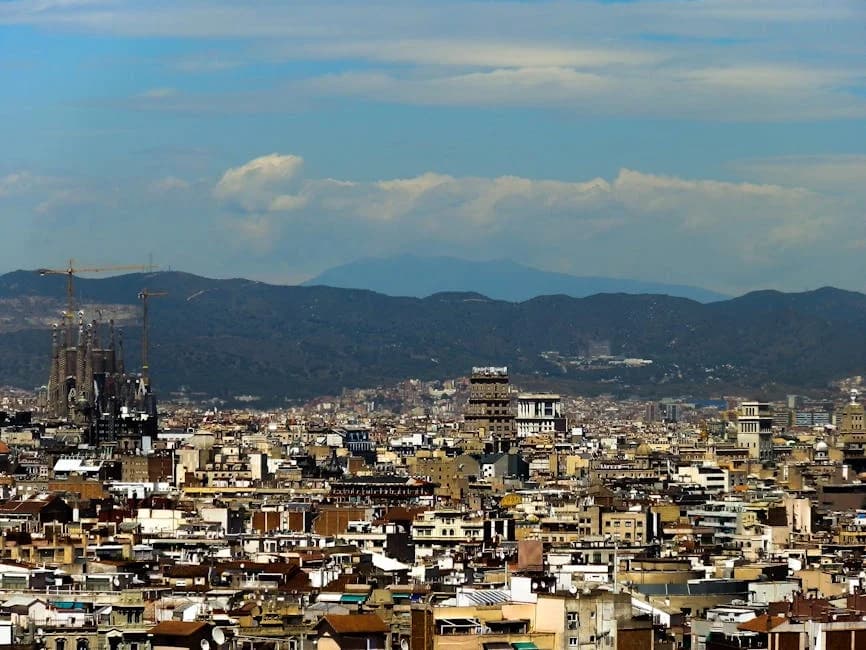
Combining classic travel tips with practical resources for digital nomads and long-term visitors, plus sustainability and accessibility insights.
Barcelona hits you with a sensory overload that most travel guides never fully prepare you for. Gaudí’s whimsical architecture, the hum of scooters weaving through narrow Gothic alleys, and the smell of fresh churros drifting from corner cafés create a city that demands to be experienced, not just visited.
This Barcelona travel guide cuts through the clichés to give you the real rhythms of the place, whether you’re here for a weekend or settling in for months.
Long-term visitors and digital nomads will find practical resources woven into every section, from co-working-friendly neighborhoods to sustainable transit hacks. Accessibility notes and eco-conscious tips run alongside classic sightseeing advice, so you can explore the Catalan capital without leaving a heavy footprint.
Over the next few minutes, you’ll get a complete blueprint for navigating Barcelona like a local, eating incredibly well on any budget, and uncovering the festivals and day trips that make this city unforgettable.
Barcelona at a Glance – Top Attractions and Practical Tips
Barcelona packs an overwhelming number of iconic sights into a walkable coastal city. From Gaudí’s surreal architecture to Gothic alleyways and sun-drenched beaches, a good Barcelona travel guide helps you prioritize without burning out.
Most first-time visitors try to cram the Sagrada Família, Park Güell, and La Rambla into a single day. That rush misses the city’s real rhythm.
 Save
SaveStart your mornings early at the Sagrada Família before the crowds swell, then wander through the Gothic Quarter when the midday heat pushes everyone indoors. Montjuïc hill offers panoramic views and a cluster of museums that rarely feel packed.
Booking timed entry tickets for Gaudí sites at least two weeks ahead saves hours of queuing, especially in peak season.
{{SECTION_02_CALLOUT_1}}
Longer stays unlock a different side of the city. Digital nomads will find reliable coworking spaces in Gràcia and Poblenou, while the efficient metro makes it easy to live like a local.
Sustainability-minded travelers can skip plastic bottles entirely because Barcelona’s tap water is safe and public fountains are everywhere. For accessibility, most major attractions have ramps and elevators, though some narrow Gothic Quarter streets remain challenging.
Getting around is straightforward once you understand the integrated ticket system, so bookmark a solid barcelona transport guide before you land.
Barcelona Neighborhoods – Where to Stay and Explore
{ "section_id": "SECTION_03", "slot": "body", "heading": "Barcelona Neighborhoods – Where to Stay and Explore", "body": "Barcelona’s neighborhoods each feel like a different city, and choosing where to stay shapes your entire trip. This Barcelona travel guide breaks down the most popular areas so you can find the perfect base, whether you’re here for a weekend or settling in for a month.
From medieval alleyways to modernist boulevards, the city’s barrios offer distinct vibes that cater to every travel style.nn
nnThe Gothic Quarter (Barri Gòtic) draws history lovers with its Roman ruins and the stunning Barcelona Cathedral, though its narrow streets can feel crowded in peak season. Just east, El Born balances medieval charm with chic boutiques and a lively tapas scene, making it a favorite for first-time visitors.
For a more local atmosphere, Gràcia was once a separate village and still retains a bohemian spirit, packed with independent cafes and plazas where residents gather. A reliable Barcelona travel guide will always point you toward Gràcia for its authenticity.
Eixample, the grid-like district, is home to Gaud
Getting Around Barcelona Like a Local
No Barcelona travel guide is complete without mastering the local transport system. Smart barcelona travel planning starts with understanding that the city’s metro, buses, trams, and even funiculars run on an integrated fare network.
A single T-Casual card gives you ten trips across all modes, and the Hola BCN travel card offers unlimited rides for a set number of days. Locals know that the real magic happens when you combine these options, avoiding the tourist-only mindset of sticking to the metro.
 Save
SaveLocals rarely rely on just one mode. The metro is unbeatable for speed across the city center, but buses give you a scenic, above-ground journey and often get you closer to your final destination.
Trams serve the coastal and suburban edges beautifully, while walking remains the soul of Barcelona exploration. Many residents bike for short hops, thanks to the extensive bike lane network and the Bicing sharing system.
Choosing the right tool for each trip is what separates a visitor from a temporary local.
{{SECTION_04_TABLE_1}}
For digital nomads and long-term visitors, a well-rounded Barcelona travel guide also addresses sustainability and accessibility. Monthly transit passes slash costs dramatically, and the city’s bike infrastructure makes a zero-emission commute entirely feasible.
Nearly all metro stations now have lifts, and buses kneel for easy boarding, making the system surprisingly inclusive. Once you’ve internalized these rhythms, you’re ready to dive into the city’s culinary heartbeat, where every neighborhood market and hidden bistro tells a story.
Best Food in Barcelona – From Markets to Hidden Gems
Barcelona’s food scene starts in its vibrant markets, where the scent of fresh seafood and cured ham fills the air. La Boqueria off Las Ramblas dazzles with color, but locals often prefer the less crowded Santa Caterina Market for its authentic vibe and rooftop views.
For a true hidden gem, head to Mercat de la Llibertat in Gràcia, a neighborhood market where you can sample Catalan cheeses and just-baked bread without the tourist markup.
 Save
SaveBeyond the markets, the best food in Barcelona hides in plain sight down narrow alleyways and behind unmarked doors. Skip the overpriced paella on the main squares and look for small tapas bars where the menu changes daily based on what’s fresh.
A good rule of thumb: if the place is packed with Spanish voices and the counter is sticky with olive oil, you’ve found the real deal.
{{SECTION_05_CALLOUT_1}}
For digital nomads and long-term visitors, eating well in Barcelona doesn’t have to drain your budget. Many local eateries offer a menú del día at lunch,a three-course meal with wine for under €15,that rivals dinner menus at twice the price.
Our barcelona digital nomad guide shares more tips on living like a local, from co-working-friendly cafes to sustainable dining spots that source ingredients from nearby farms. Treat this Barcelona travel guide as your starting point, then let your taste buds lead the way.
Day Trips from Barcelona – Complete Logistics Guide
Barcelona’s strategic location makes it a perfect launchpad for unforgettable day trips. From the jagged peaks of Montserrat to the medieval streets of Girona, you can experience dramatically different landscapes within an hour or two.
The table below breaks down the most rewarding excursions, including travel times, best transport modes, and what makes each destination special. Integrating these outings into your Barcelona travel guide itinerary adds depth beyond the city’s beaches and Gaudí masterpieces.
 Save
Save{{SECTION_06_TABLE_1}}
Getting to these spots is straightforward thanks to Catalonia’s efficient rail network. Trains from Barcelona Sants or Passeig de Gràcia connect to most destinations, and booking tickets a day ahead via the Renfe app ensures you skip the morning queues.
For coastal towns like Sitges, the Rodalies commuter line runs frequently and costs under €10 round trip. If you’re heading to the Costa Brava’s hidden coves, a combination of train and local bus works best, though a rental car gives you the freedom to explore less accessible beaches.
Always check return schedules, as some rural bus services stop running by early evening.
Digital nomads and long-term visitors will appreciate how these day trips double as coworking escapes. Many trains have reliable Wi-Fi, letting you squeeze in a few hours of work while watching the Catalan countryside roll by.
For a more sustainable approach, stick to trains and buses rather than renting a car; the CO2 savings are substantial, and you’ll avoid the hassle of parking in medieval town centers. Accessibility varies, but major stations and most popular attractions have step-free access.
A well-planned day trip not only enriches your Barcelona experience but also supports regional economies beyond the tourist core.
Barcelona on a Budget – Daily Cost Breakdown
{ "section_id": "SECTION_07",
Digital Nomad Guide to Barcelona
Barcelona has quietly become one of Europe’s most magnetic cities for remote workers, and this digital nomad guide distills what actually matters when you’re planning to work from the Catalan capital. Our full Barcelona travel guide covers the tourist highlights, but the needs of a location-independent professional run deeper: reliable internet, a community that doesn’t evaporate on weekends, and workspaces that inspire rather than distract.
The city delivers on all three, blending Mediterranean light with a startup energy that feels more collaborative than cutthroat.
 Save
SaveFinding your rhythm here starts with picking the right neighborhood. Gràcia offers village-like squares and indie coffee shops where laptops are welcome until mid-afternoon, while Poblenou’s converted factories house some of the best coworking spaces in the city.
The table below compares a few standout options that consistently earn praise from long-term visitors.
{{SECTION_08_TABLE_1}}
Beyond the desk, the real advantage of basing yourself in Barcelona is how easily work and life blur into something sustainable. After a morning of deep focus, you can be swimming at Barceloneta within fifteen minutes or sharing a menú del día with other nomads in Sant Antoni.
That walkable, sensory reset is what keeps burnout at bay, and it’s a detail no ordinary Barcelona travel guide emphasizes enough.
Sustainable Travel in Barcelona
A truly modern Barcelona travel guide must address how to explore the city without leaving a heavy footprint. Barcelona has invested heavily in green infrastructure, from extensive bike lanes to a growing network of electric buses, making it one of Europe’s more forward-thinking destinations for eco-conscious travelers.
Whether you’re here for a weekend or settling in as a digital nomad, adopting a few simple habits can dramatically lower your impact while enriching your experience.
 Save
Save{{SECTION_09_CALLOUT_1}}
Sustainable travel in Barcelona starts with how you get around. The city center is remarkably compact, so walking between the Gothic Quarter, El Born, and Barceloneta often takes less than 30 minutes.
For longer stays, the Bicing bike-share system gives you access to hundreds of stations, and the integrated metro and bus network runs increasingly on clean energy. Grabbing a T-usual card instead of single tickets not only saves money but also encourages frequent use of public transport over taxis.
Supporting local businesses and reducing waste go hand in hand. Markets like La Boqueria now welcome your own containers and reusable bags, and many specialty coffee shops offer a discount if you bring a cup.
As a digital nomad, choosing a co-living space with a strong recycling program or eating at farm-to-table restaurants aligns your daily life with the city’s sustainability goals. By weaving these practices into your routine, you’ll experience Barcelona more authentically and leave a positive mark.
Seasonal Events and Festivals You Can’t Miss
Barcelona’s event calendar runs year-round, transforming the city with each season. Any comprehensive Barcelona travel guide will tell you that timing your visit around a major festival unlocks a side of the city most tourists never see.
For digital nomads and long-term visitors, these celebrations offer a chance to experience local traditions and connect with the community in ways that daily life rarely reveals.
 Save
SaveSpring brings Sant Jordi, where the streets overflow with bookstalls and roses on April 23rd. Summer heats up with Primavera Sound and Sónar, drawing music lovers from around the world.
Autumn belongs to La Mercè, a week of human towers, fire runs, and free concerts that captures the city’s soul. Even winter has the Three Kings Parade, a dazzling spectacle that rivals Christmas anywhere.
{{SECTION_10_TABLE_1}}
Plan ahead because accommodation fills up fast during these peaks. Use this Barcelona travel guide to map out your stay and you’ll experience the city at its most vibrant, whether you’re here for a week or a season.
FAQ
Is Barcelona safe for tourists?
Barcelona is generally safe, but pickpocketing is common in crowded areas like Las Ramblas and the metro. Keep your belongings secure and avoid flashing valuables. Solo travelers and digital nomads will find the city welcoming, especially in neighborhoods like Gràcia and Eixample.
Do I need to speak Spanish in Barcelona?
Catalan and Spanish are both official languages, but you’ll get by fine with English in tourist areas. Learning a few basic phrases in Spanish or Catalan goes a long way with locals. For long-term stays, basic Spanish will help you navigate daily life more smoothly.
What is the best time to visit Barcelona?
Late spring (May–June) and early fall (September–October) offer pleasant weather and fewer crowds. Summer brings festivals but intense heat and peak tourist numbers. Winter is mild and ideal for budget travelers and digital nomads who prefer a quieter city.
How many days do you need in Barcelona?
Three to four days is enough to see the main sights like Sagrada Família, Park Güell, and the Gothic Quarter. If you want to explore neighborhoods, day trips, and the food scene in depth, plan for a week. Digital nomads often stay a month or more to experience the city’s rhythm.
What should a first-timer’s Barcelona travel guide include?
A complete Barcelona travel guide for first-timers should cover top attractions, neighborhood breakdowns, transport tips, and local food recommendations. It should also include practical advice on budgeting, safety, and seasonal events. Look for guides that blend classic sightseeing with insights for longer stays if you’re considering a workation.
Share this article


Staff Writer
adminRelated Articles

5 Colorful Towns in Portugal You Must Visit
Discover 5 colorful towns in Portugal hidden from tourist crowds. From Monsaraz to Piódão, explore vibrant villages with authentic local charm. Plan your trip now!
7 safest caribbean islands
Discover the 7 safest Caribbean islands with crime data, hurricane risk, and traveler-specific tips. Plan your secure vacation with confidence today!
Italy travel guide for families with kids
Traveling to Italy with children? Get expert tips on kid-approved attractions, stroller-friendly routes, and family hotels. Make unforgettable memories!
Italy Travel Guide
Plan your dream Italy trip with our ultimate guide. Insider tips, budget breakdowns, cultural dos and donts, month-by-month advice. Avoid tourist traps! Start planning.